Insights
Field notes
Writing on AI agents in production, the Microsoft platform, and the systems we build at saasberry Innovation Laboratories.
 November 18, 2026
The Plant Floor Is Where AI Becomes an Operating Capability
The strongest industrial AI use cases do not begin with office automation. They begin where better sensing, faster decisions and safer control can change the economics of a physical operation.
Read post November 17, 2026
The Value of an AI Adviser Is the Workflow It Changes
A conversational investment agent creates value only when it turns customer dialogue into supervised, auditable advice. The real test is not fluency, but whether banks can expand guidance without weakening suitability or accountability.
Read post November 10, 2026
Your AI Licences Are Not the Capability
AI licences are only an input. The real test is whether one live workflow changes who decides, how quickly work moves and how much scarce expertise routine tasks consume.
Read post November 7, 2026
A Natural Voice Is Not Yet a Useful Enterprise Capability
Voice AI becomes commercially useful when it completes authorised work, preserves context and knows when to hand a decision to a person. Natural conversation is the interface, not the operating capability.
Read post November 6, 2026
The Fastest AI Teams Stop Repeating Their Work
Reusable AI instructions are useful, but they are not magic productivity tools. Their value comes from turning repeated judgement into maintained workflows with owners, checks and clear limits.
Read post November 5, 2026
The AI account is a symptom of an unfinished workflow
Enterprise AI adoption is not a licence-count problem. Personal accounts reveal where approved tools have failed to enter the workflow, leaving leaders to fix the operating design as well as the governance.
Read post November 4, 2026
Housing AI Will Be Won in the Queue, Not on the Stage
The most valuable housing AI may not design the next building. It may prevent incomplete information from sending viable projects back to the beginning of the queue.
Read post November 4, 2026
The Cost of 275 Interruptions Is the Decision Queue Behind Them
Constant interruption is often a symptom of poorly placed decision rights. The practical opportunity is to give agents bounded authority over routine work, so human attention is reserved for exceptions, risk and judgement.
Read post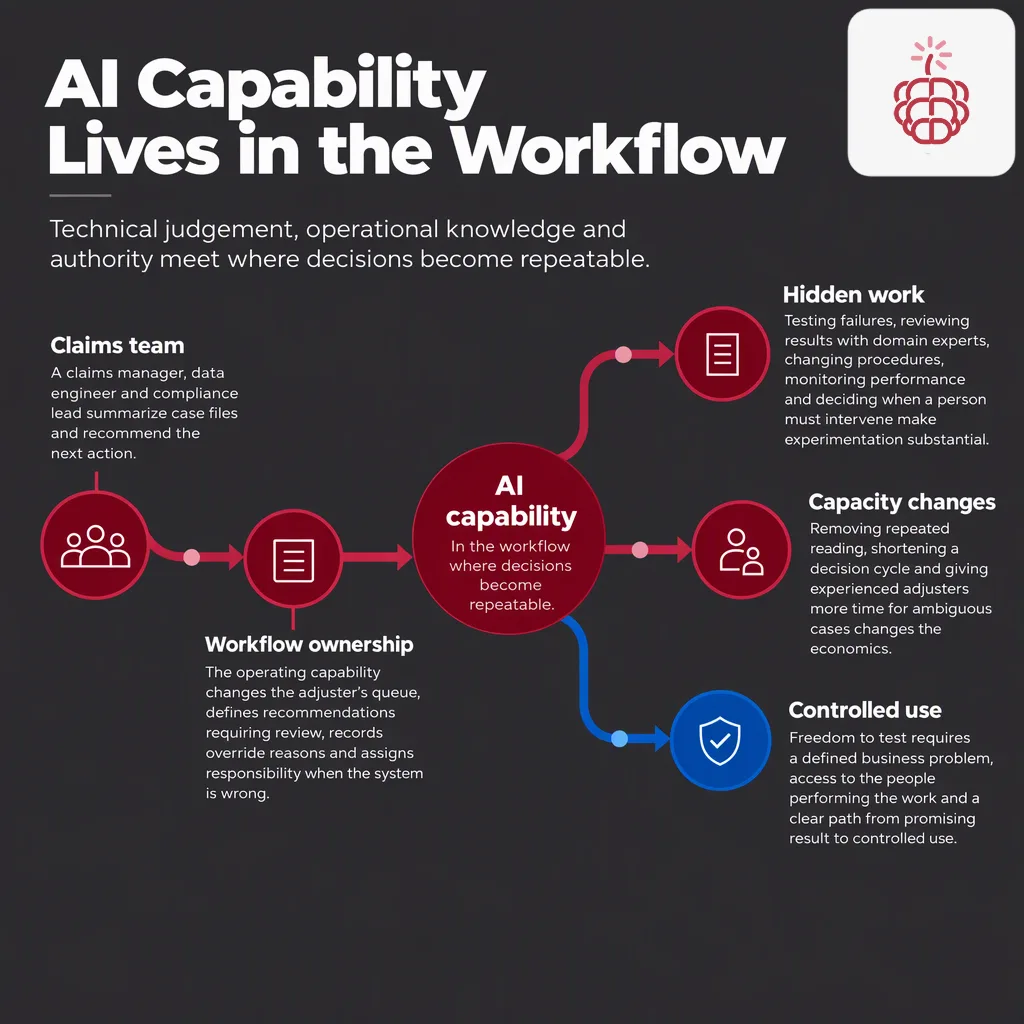 November 4, 2026
An AI Team Is Not the Capability. The Workflow Is.
The value of an AI team is not its roster of specialists. It is whether the team can redesign a real workflow, assign accountability and turn experimentation into repeatable business capacity.
Read post November 4, 2026
The Housing AI Opportunity Is Better Navigation, Not Another Chatbot
In housing, AI’s first useful role may be navigation: connecting live questions to credible projects, lessons and resources so teams spend less time searching and more time making defensible decisions.
Read post November 4, 2026
The AI Tool Is Often a Distraction from the Decision
AI investment often stalls because organisations choose tools before naming the decision they need to improve. The real work is defining ownership, evidence and acceptable risk so technology can change the workflow rather than decorate it.
Read post November 4, 2026
The Expensive Part of AI Coding Is Often the Work It Makes Possible
AI coding tools can reduce implementation time while increasing organisational waste. The advantage goes to companies that make generated work earn its place through better decisions, not those that reward code volume.
Read post October 27, 2026
An Agent’s Reach Is a Business Control, Not Just a Security Setting
AI agents do not become safe merely by inheriting existing permissions. The useful enterprise pattern is narrower: preserve the identity model, then constrain each agent’s reach, tools and authority to the work it is accountable for.
Read post October 22, 2026
The Agent Is Only as Useful as the Information It Can Safely Use
Agents in Dynamics 365 and Microsoft 365 will expose an old operational weakness: scattered, stale and overshared information. The advantage will go to organizations that make critical knowledge trustworthy and permissioned before automation acts on it.
Read post October 21, 2026
The Decision Rights Problem Behind Stalled AI Pilots
AI pilots stall less from weak models than from unclear authority. Naming who can approve the workflow, accept the risk and own the result turns a demonstration into an operating capability.
Read post October 20, 2026
AI Adoption Is Easy. Deciding What Changes Is the Work.
AI adoption is spreading faster than organisations are changing how work gets done. The commercial gap sits in decisions, ownership and workflow redesign, not in access to better tools.
Read post October 19, 2026
Your Process Is Only Real When It Helps Someone Decide
The process is not the document. It is the reliable path from an employee’s question to an authorized decision, with AI useful only when ownership, evidence and escalation are clear.
Read post October 19, 2026
Enterprise AI Improves When Technology Leaders Get Closer to the Work
The value of enterprise AI is settled in operating decisions, not demonstrations. Closer exchange between technical leaders and CIOs can expose the workflow, accountability and risk conditions that determine whether a pilot becomes useful capacity.
Read post October 16, 2026
The Fastest AI Deployment Is Not the Best Operating Model
Embedding AI in the Microsoft stack can cut adoption friction, but familiar tools do not create accountability. The real advantage appears when organisations use existing context and permissions to change who does the work, who decides and who remains responsible.
Read post October 16, 2026
Your Enterprise Does Not Need More Information. It Needs Better Decisions
The real enterprise knowledge problem is not storage. It is the failure to turn scattered information into trusted decisions inside everyday workflows.
Read post October 15, 2026
The Next Data Project Should Start With the Systems You Already Own
The fastest route to better enterprise decisions may not be another platform. It may be a focused connection between the ERP, CRM, service desk and documents already holding the evidence.
Read post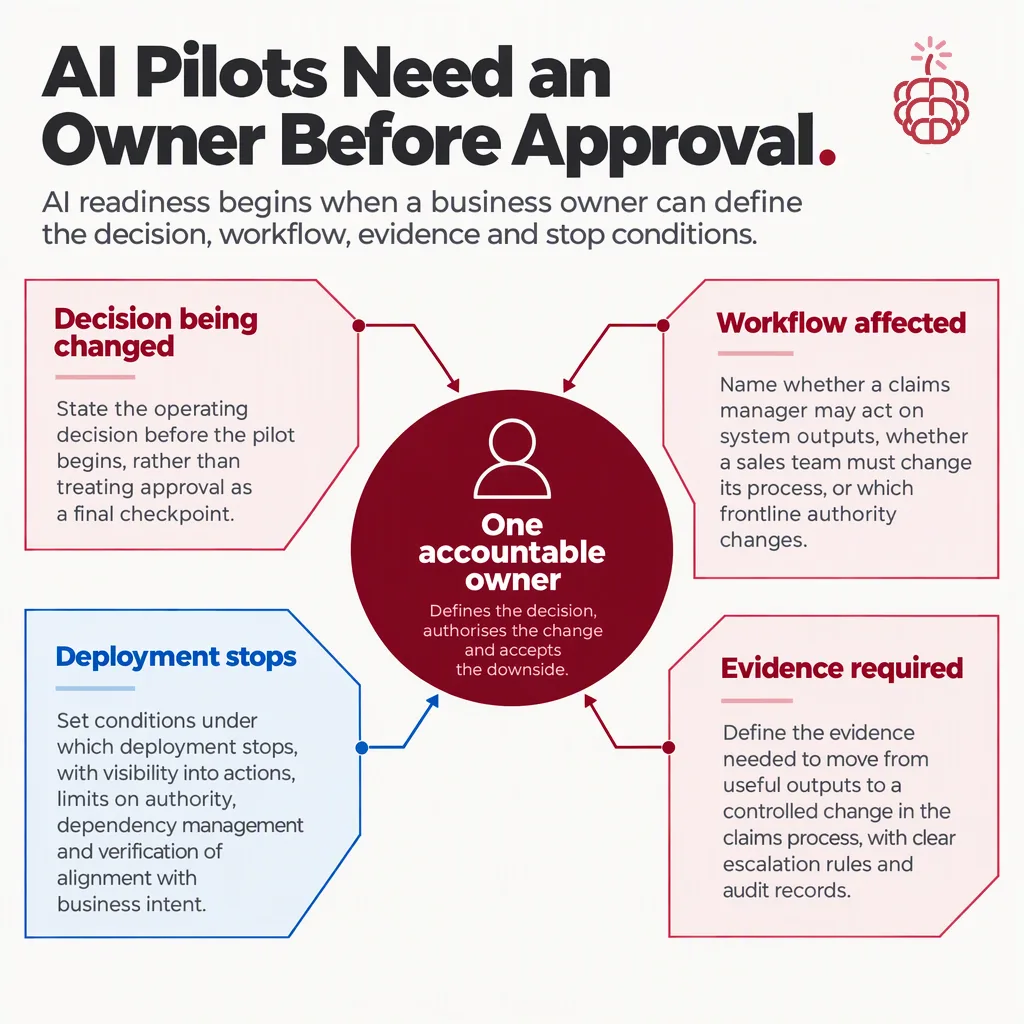 October 14, 2026
AI Projects Stall When No Executive Owns the Decision
AI initiatives often stall after a successful pilot because no executive owns the operating decision that follows. The missing capability is not another demonstration, but clear authority, risk limits and a workflow someone is accountable for changing.
Read post October 14, 2026
Fewer Reports, Better Decisions: The Case for Managing Unknowns
Executive reporting should not make leaders better at reading information. It should make the organisation faster at finding changed assumptions, assigning decisions and acting before manageable risks become costly surprises.
Read post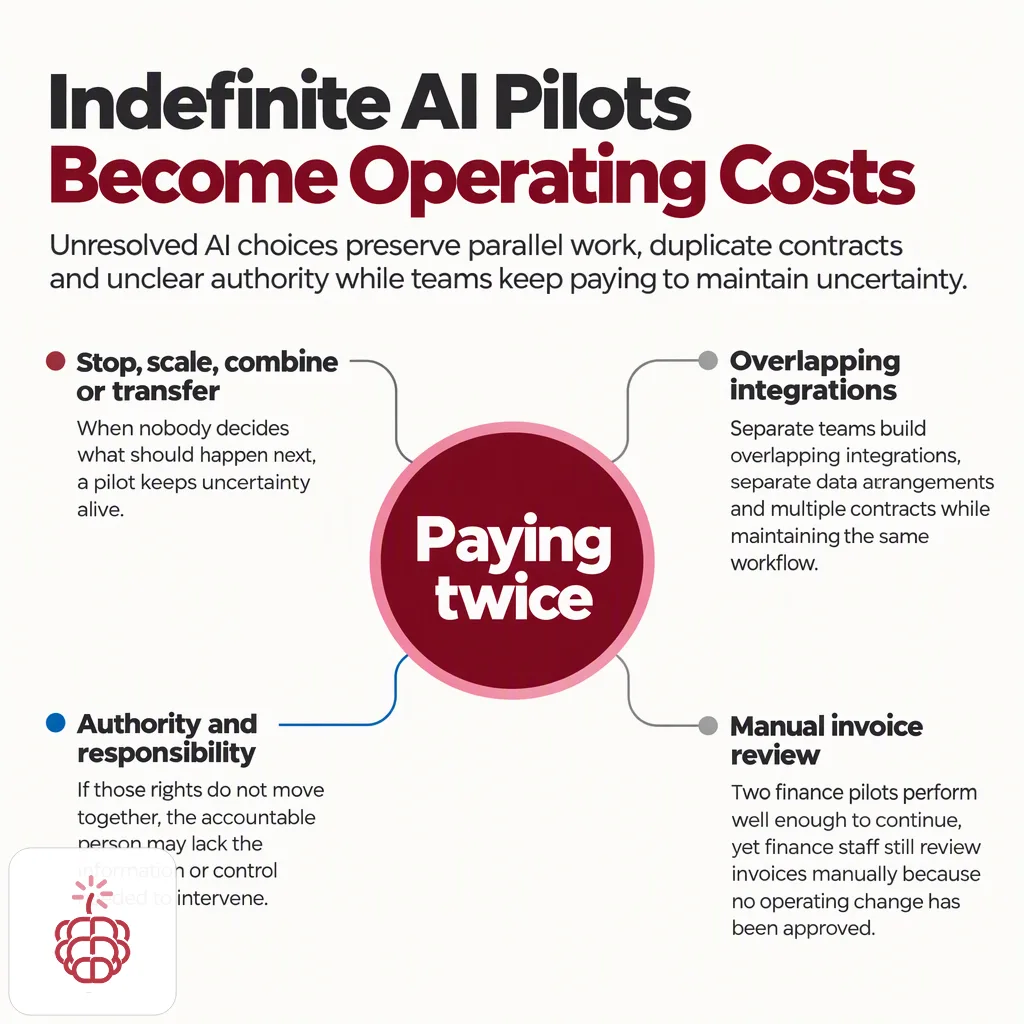 October 13, 2026
The Cost of Leaving AI Decisions Open
AI pilots rarely become expensive because the technology fails. They become expensive when nobody decides what to scale, stop or own, leaving duplicated work and unresolved accountability embedded in the operating model.
Read post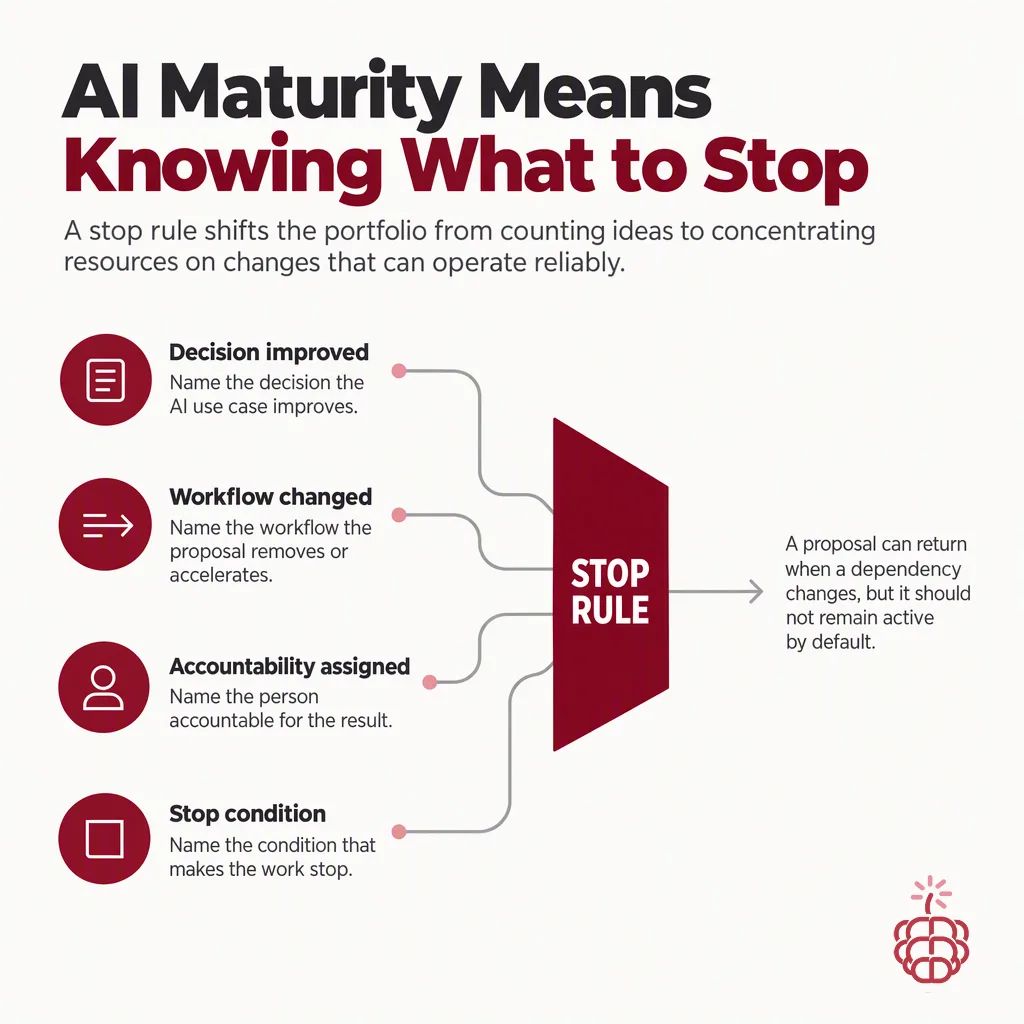 October 9, 2026
The AI Portfolio Needs a Stop Rule
AI progress is not measured by the size of the use-case backlog. It depends on whether leaders can stop weak proposals, assign real ownership and reserve scarce operating capacity for capabilities that can survive production.
Read post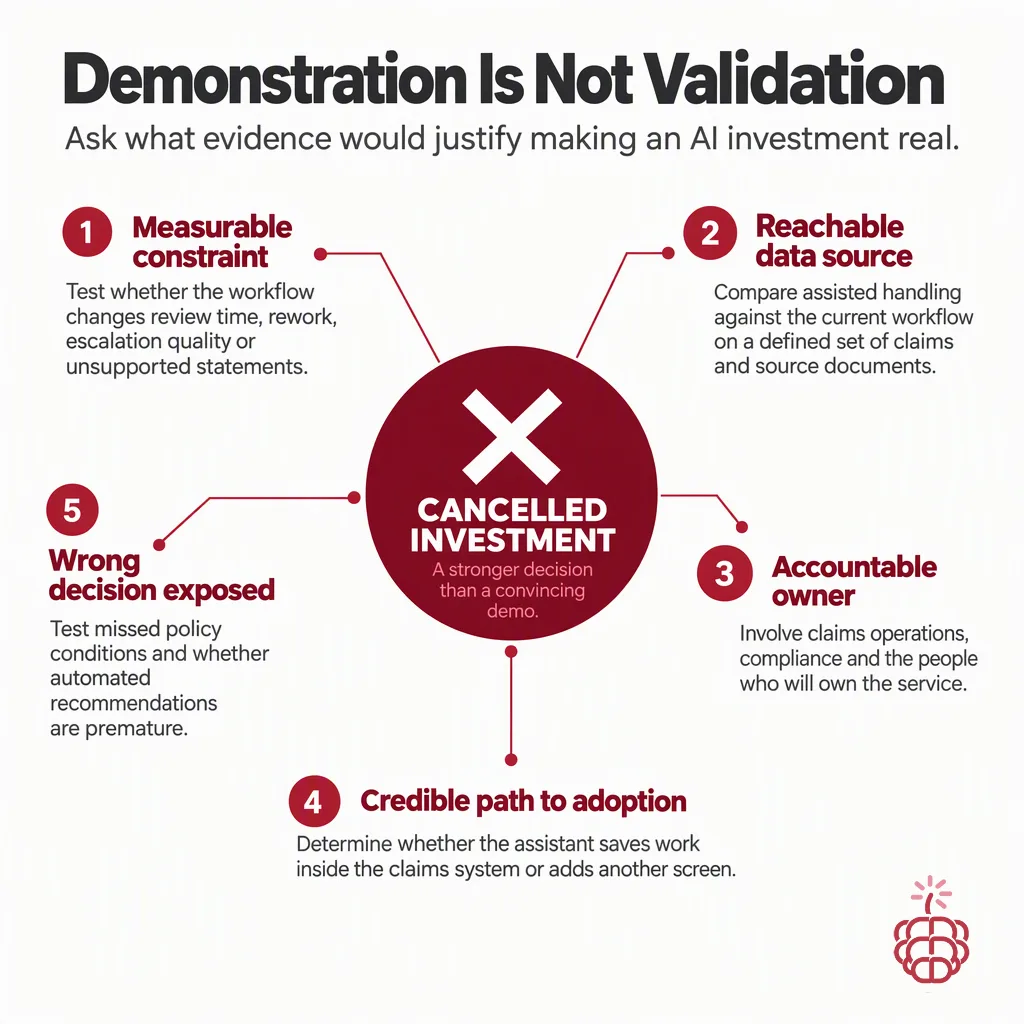 October 8, 2026
The Best AI Investment May Be the One You Cancel
AI pilots often prove technical possibility without proving business value. A disciplined, time-boxed validation tests workflow fit, ownership, risk and measurable outcomes before implementation turns a weak idea into a permanent cost.
Read post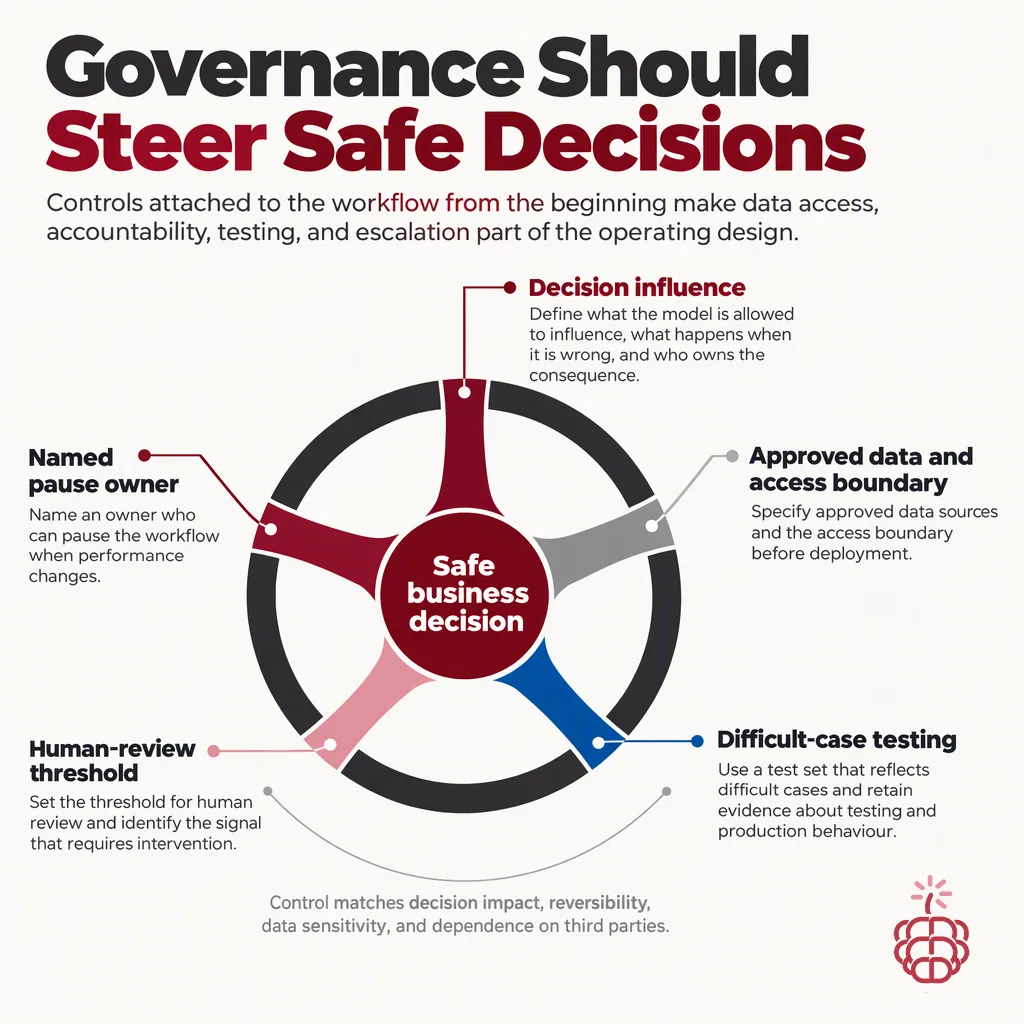 October 7, 2026
AI Governance Should Steer Decisions, Not Stop Them
AI governance creates value when it is built into decisions and workflows, not added as a late approval gate. The practical test is simple: can the organisation act faster while knowing who owns the risk when the system is wrong?
Read post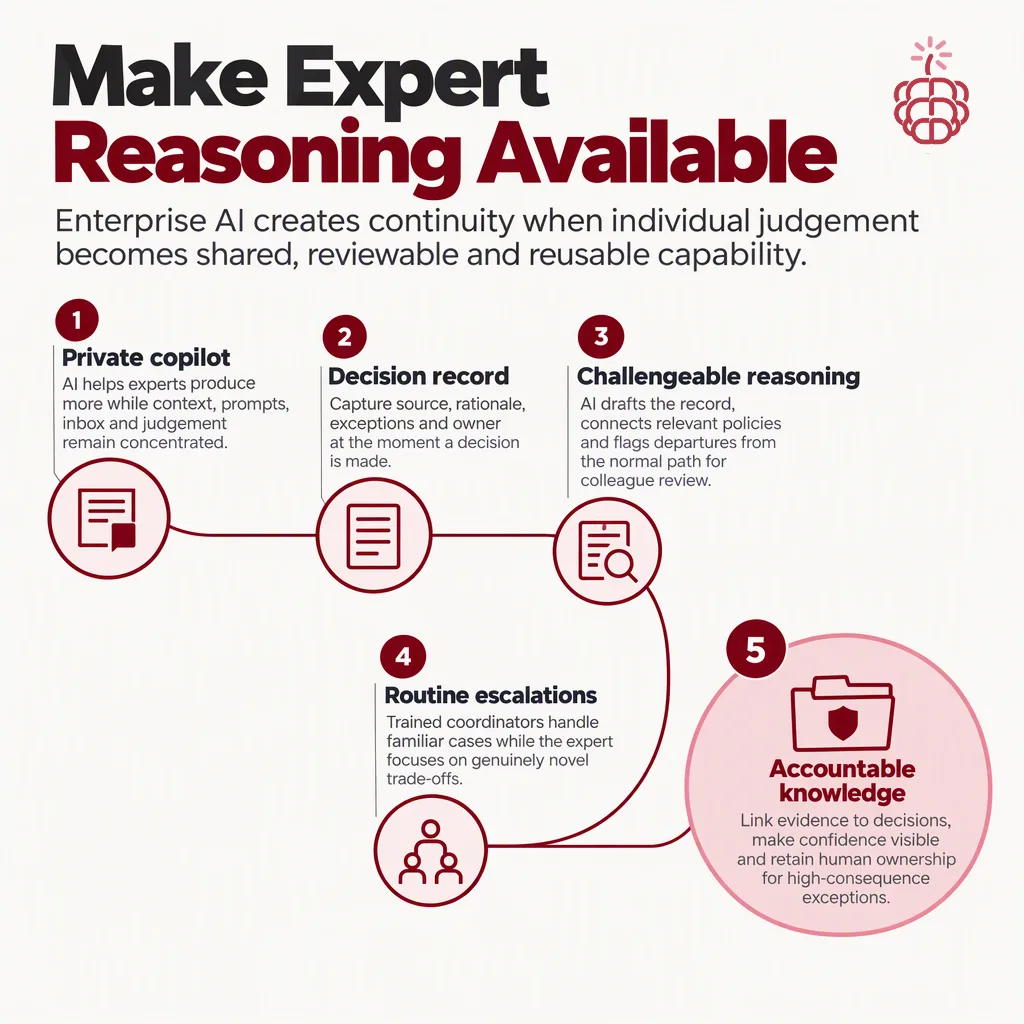 October 6, 2026
AI Should Reduce Knowledge Concentration, Not Hide It
The most valuable enterprise AI may not make experts faster. It may make their judgement available to the wider organization, reducing the operational risk of losing the people who quietly hold critical decisions together.
Read post October 1, 2026
AI Capacity Is Worthless Until the Organisation Chooses Better Work
AI creates capacity, not value by default. The organisations that benefit decide which neglected work deserves the time, authority and workflow that automation makes available.
Read post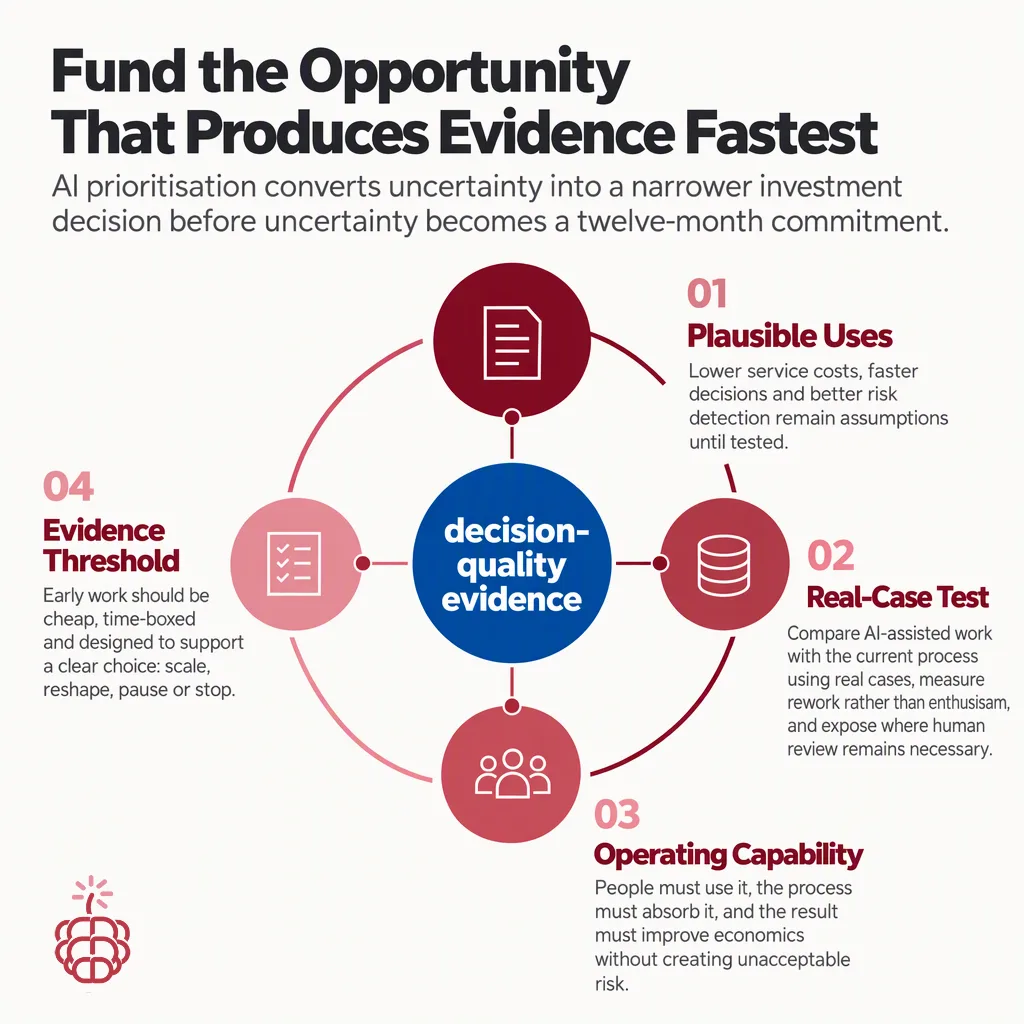 September 30, 2026
AI Investment Stalls When Evidence Arrives After the Budget
The scarce resource in enterprise AI is not access to models. It is credible evidence that tells leaders which opportunity deserves funding, operating attention and the risk of changing a real workflow.
Read post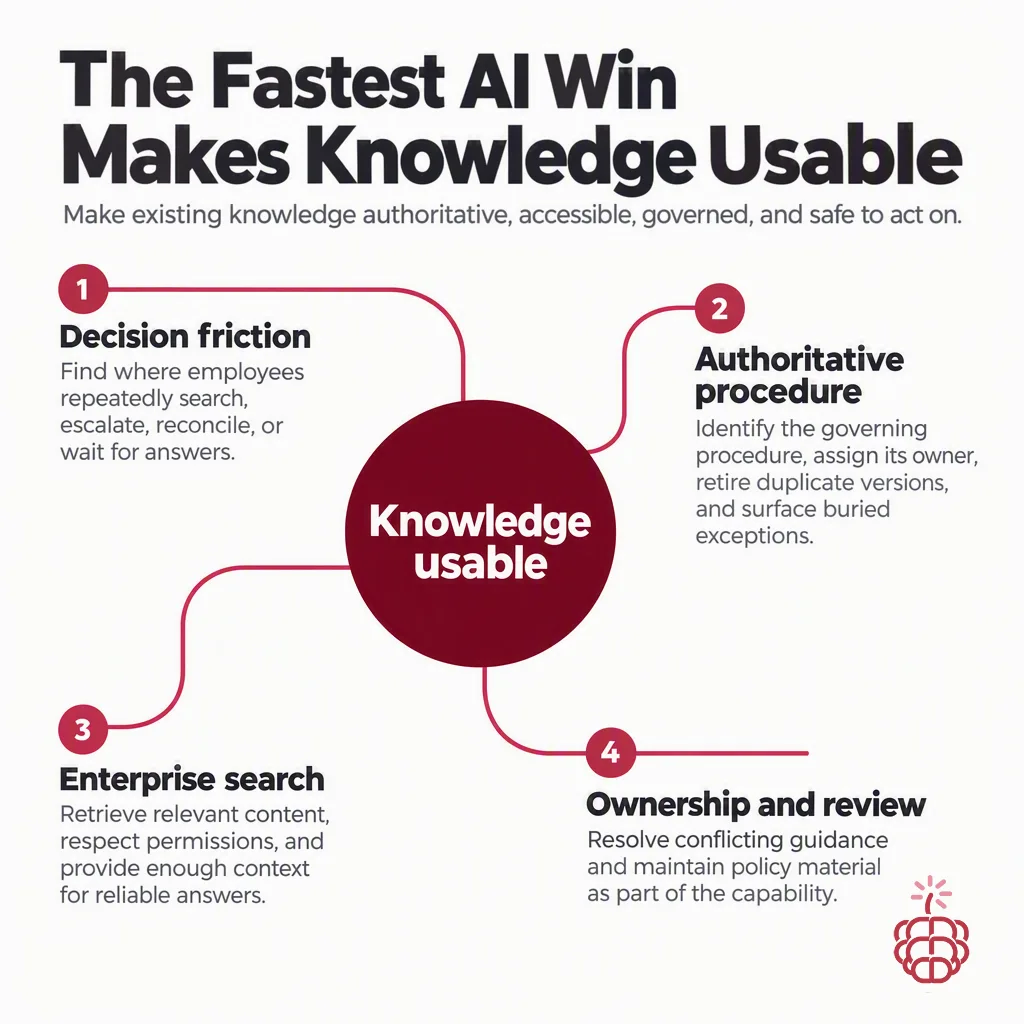 September 29, 2026
The Fastest AI Win May Be Making Existing Knowledge Usable
Before adding an AI assistant, examine the knowledge it must retrieve. Better ownership, structure and access can improve decisions faster than a new model.
Read post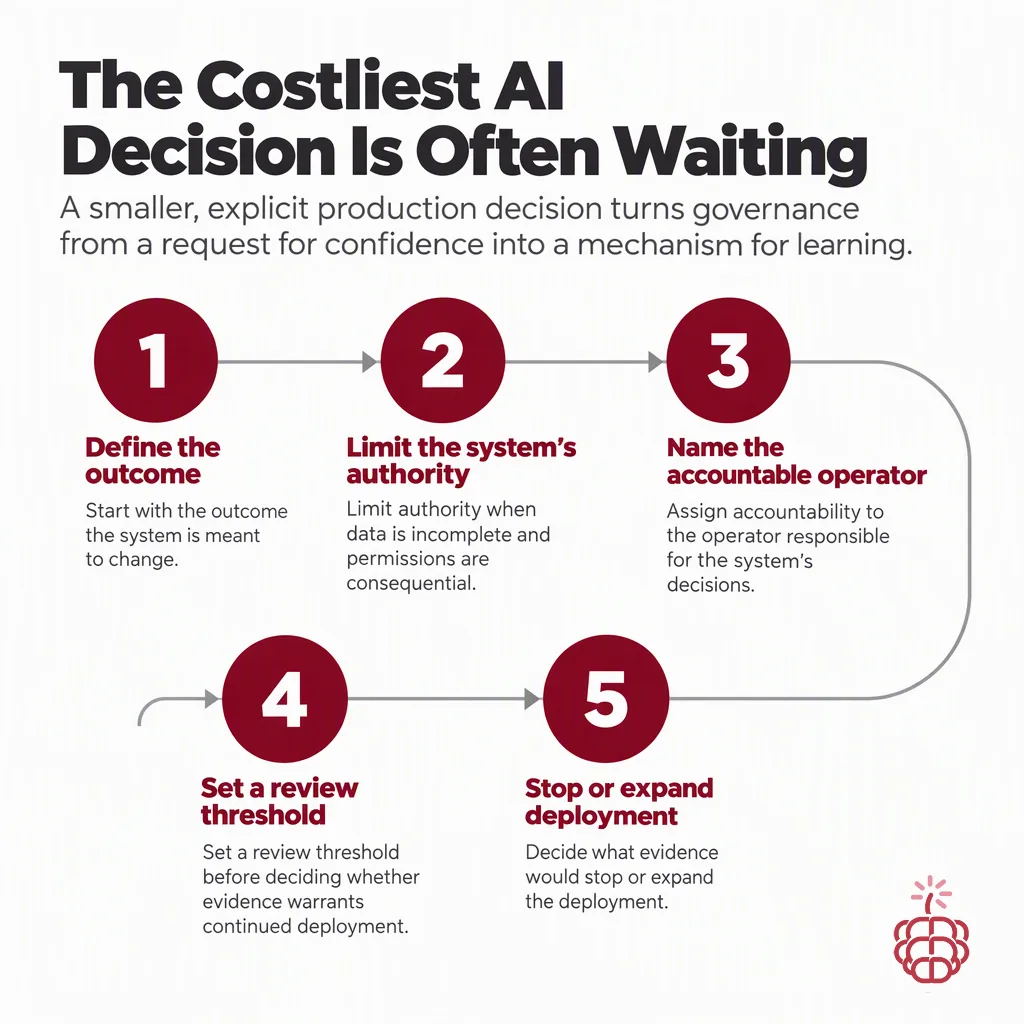 September 28, 2026
The Costliest Part of AI Is Often the Decision to Wait
Enterprise AI delays are often treated as risk controls, but they can quietly become the largest cost in the business case. The advantage goes to organizations that turn governance into fast, reversible operating decisions.
Read post September 25, 2026
An Agentic SDLC Changes the Work Before It Changes the Code
An agentic SDLC creates business value by redesigning decisions and handoffs, not by generating code alone. The critical work is defining intake, governance and gates that let agents act safely at scale.
Read post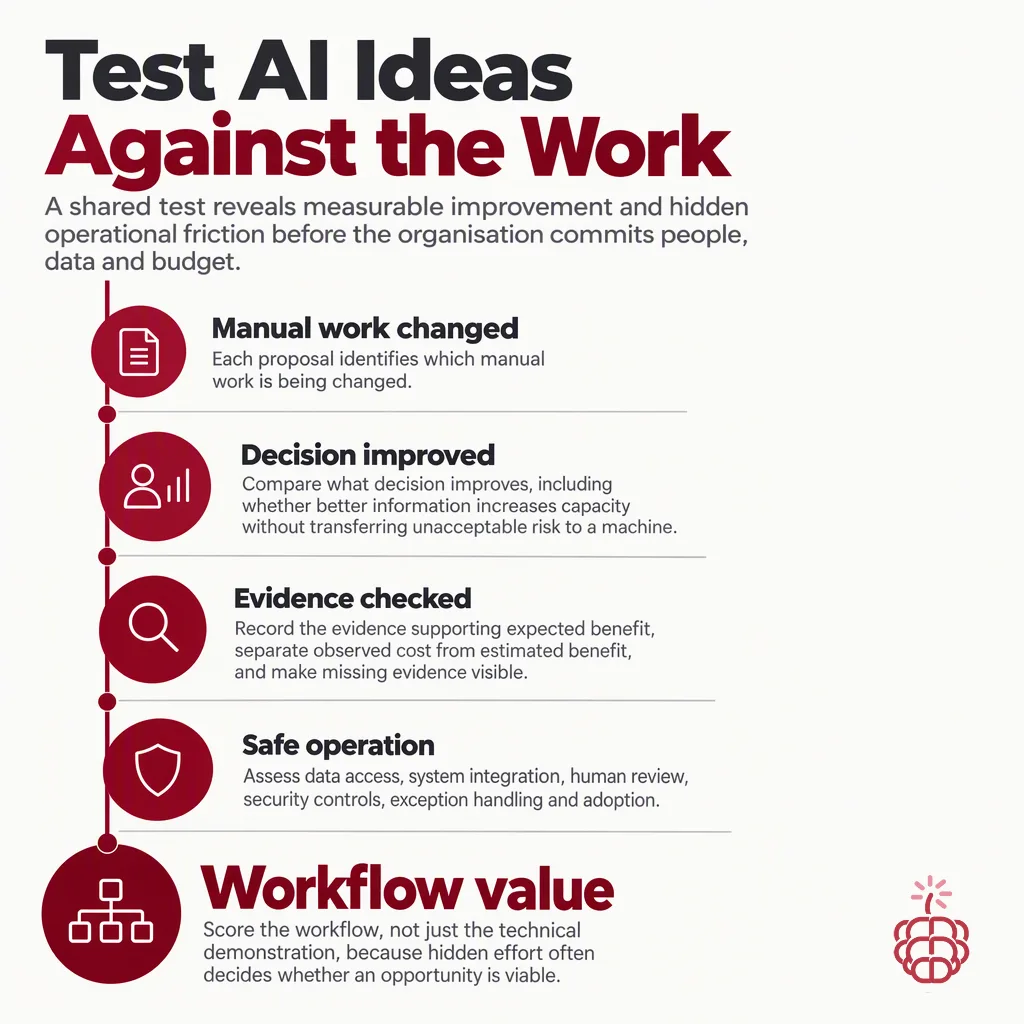 September 25, 2026
AI Portfolios Improve When Ideas Meet the Same Test
The winning AI idea is rarely the easiest demo. A shared test reveals which workflow can improve decisions, capacity and cost once data, controls and human accountability are included.
Read post September 25, 2026
The AI Platform You Need May Already Be in Your Tenant
AI platform procurement can obscure the real work: turning existing identity, security, and compliance controls into a safe operating capability for redesigned business decisions.
Read post September 23, 2026
The Cheapest AI Project May Be Finding What the Business Already Knows
Before buying another copilot, fix the information friction already slowing decisions. Better enterprise search can turn scattered knowledge into operating capacity, but only when ownership, permissions and trust are treated as part of the product.
Read post September 23, 2026
Put a Date on the Decision, Not the Build
Many enterprise AI initiatives do not fail; they remain indefinitely undecided. The remedy is a time-bound operating decision with clear ownership, safeguards and a real choice to scale, stop or fund the work needed for a narrower release.
Read post September 22, 2026
ChatGPT Will Not Save a Business That Has Not Changed Its Work
A chatbot can speed up individual work while leaving the business unchanged. Real value appears when AI is attached to an owned workflow, visible evidence, and a decision that can be made faster or with less risk.
Read post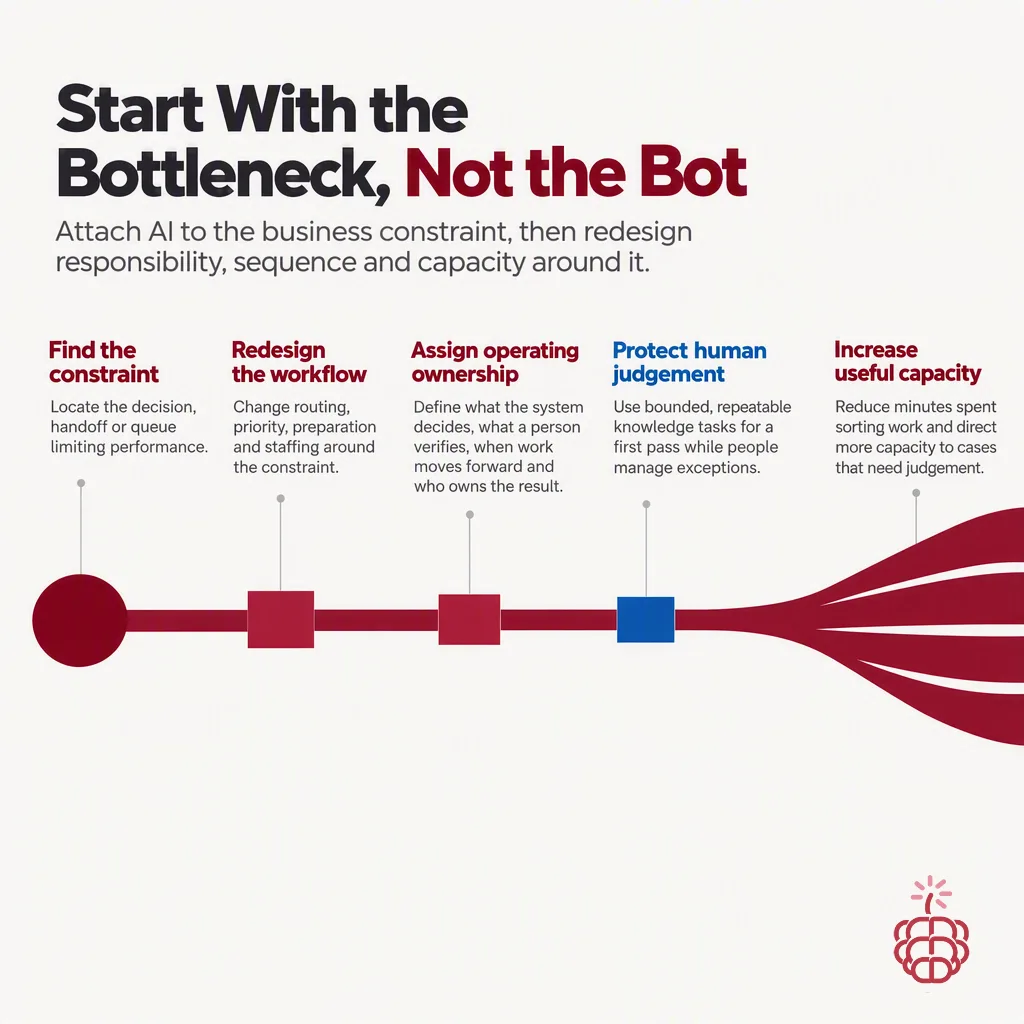 September 21, 2026
Start With the Bottleneck, Not the Bot
AI creates business value when it changes the workflow around a constraint, not when it merely speeds up an isolated task. The practical question is where human attention should remain.
Read post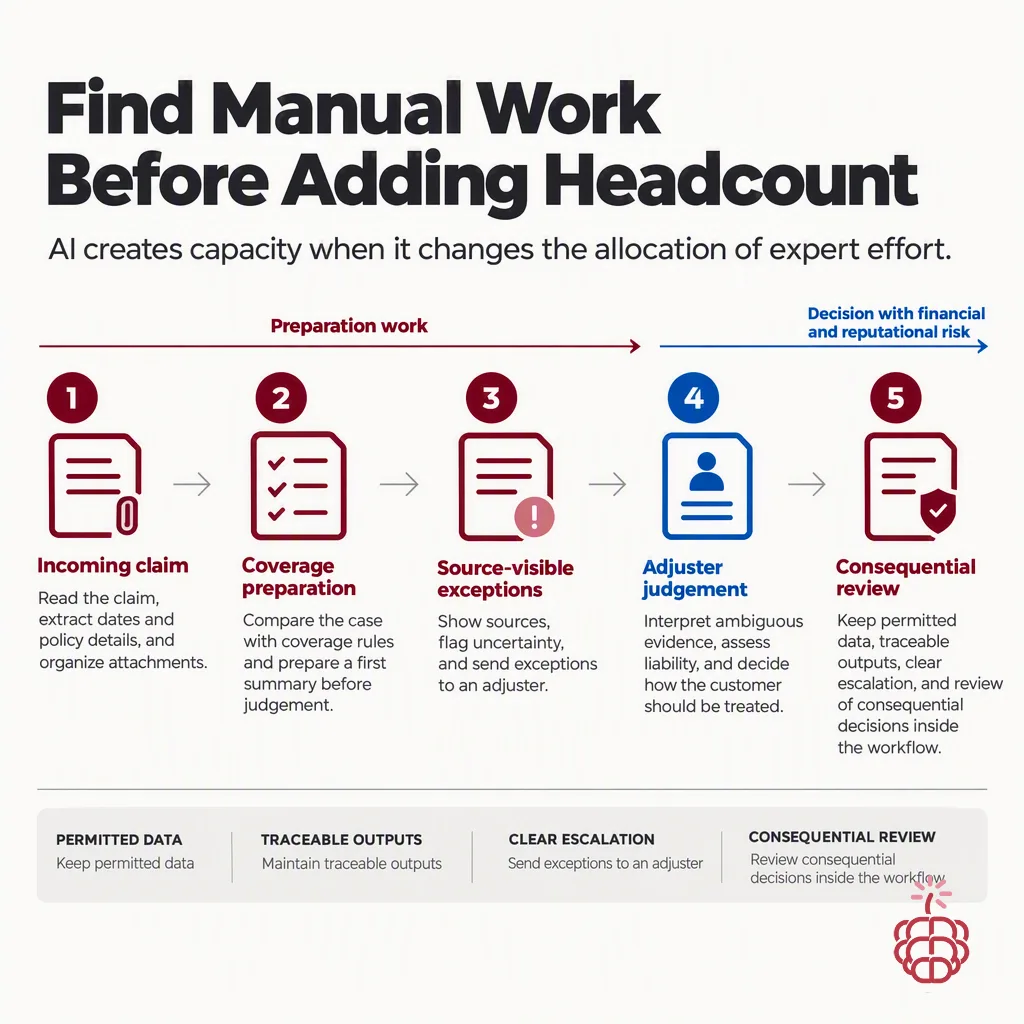 September 17, 2026
The Capacity Problem Is Usually Manual Work, Not Headcount
The headcount debate often masks a workflow problem. AI creates operating capacity when it removes repetitive preparation while leaving judgement, accountability and exceptions with the people equipped to handle them.
Read post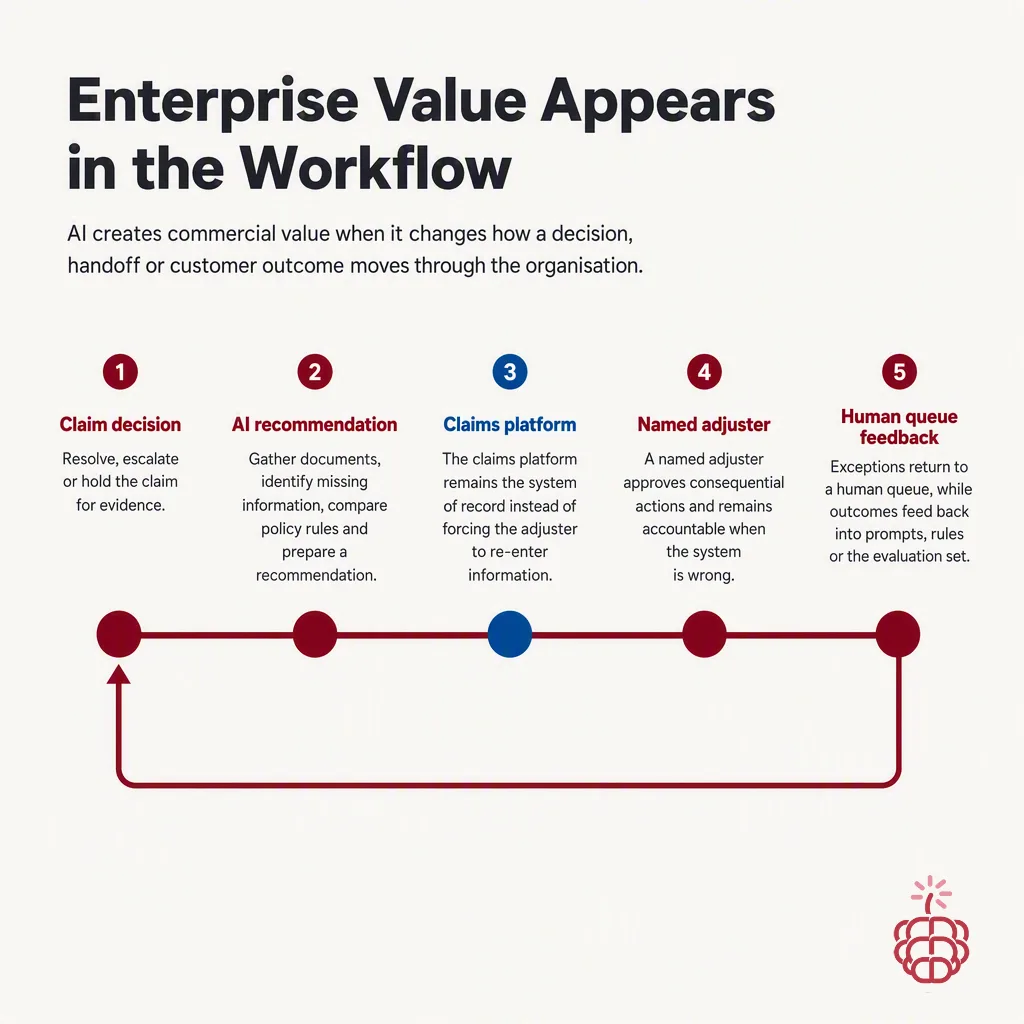 September 14, 2026
From AI Tools to Work Systems: Where Enterprise Value Actually Appears
Enterprise AI value rarely comes from another assistant. It appears when leaders redesign a consequential workflow, connect AI to real systems and preserve clear human accountability for the decisions that matter.
Read post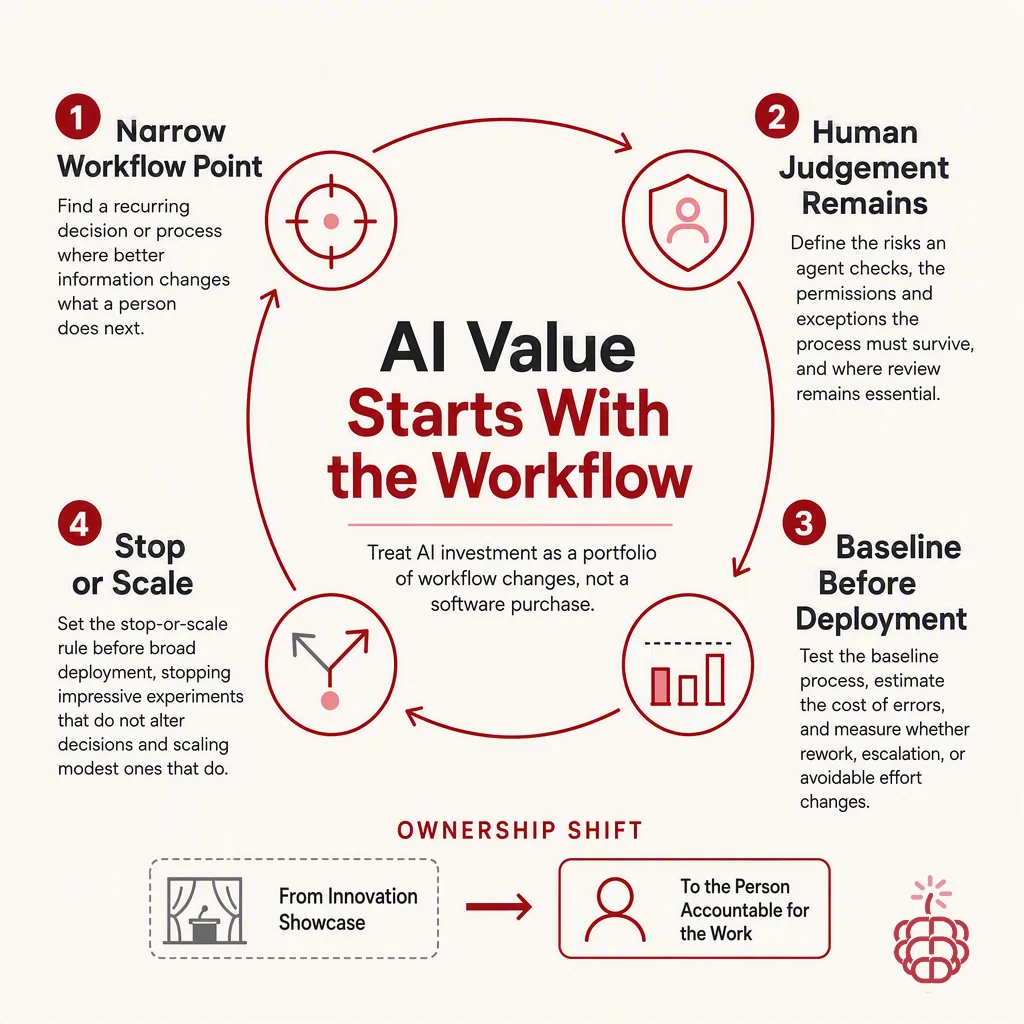 September 14, 2026
AI Value Starts With the Workflow, Not the Demo
The case for enterprise AI is not a better demo. It is evidence that a specific workflow changes for the better, with clear ownership, controls and a decision to scale or stop.
Read post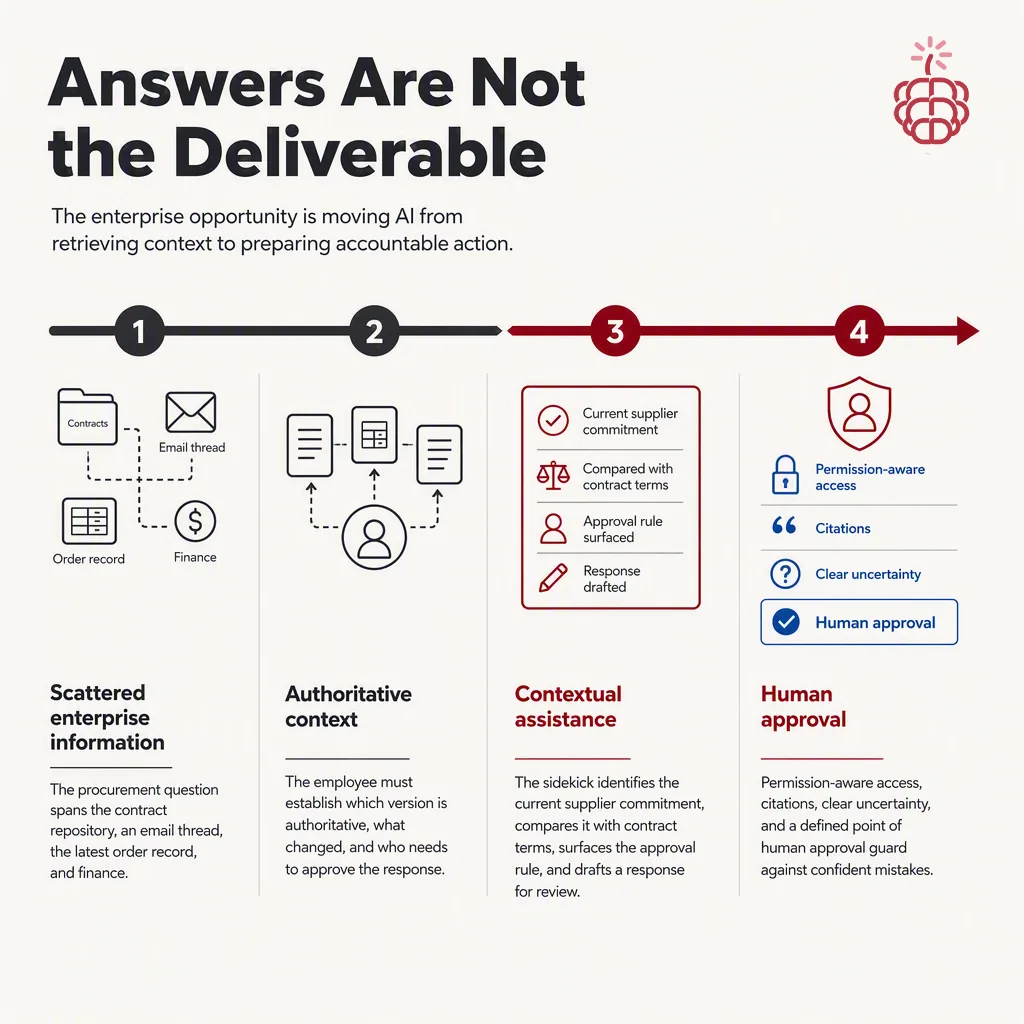 September 14, 2026
The Answer Was Never the Slow Part
Enterprise AI should not stop at finding information. Its value appears when it assembles trusted context, exposes uncertainty, and helps people make accountable decisions without becoming the organisation’s new source of risk.
Read post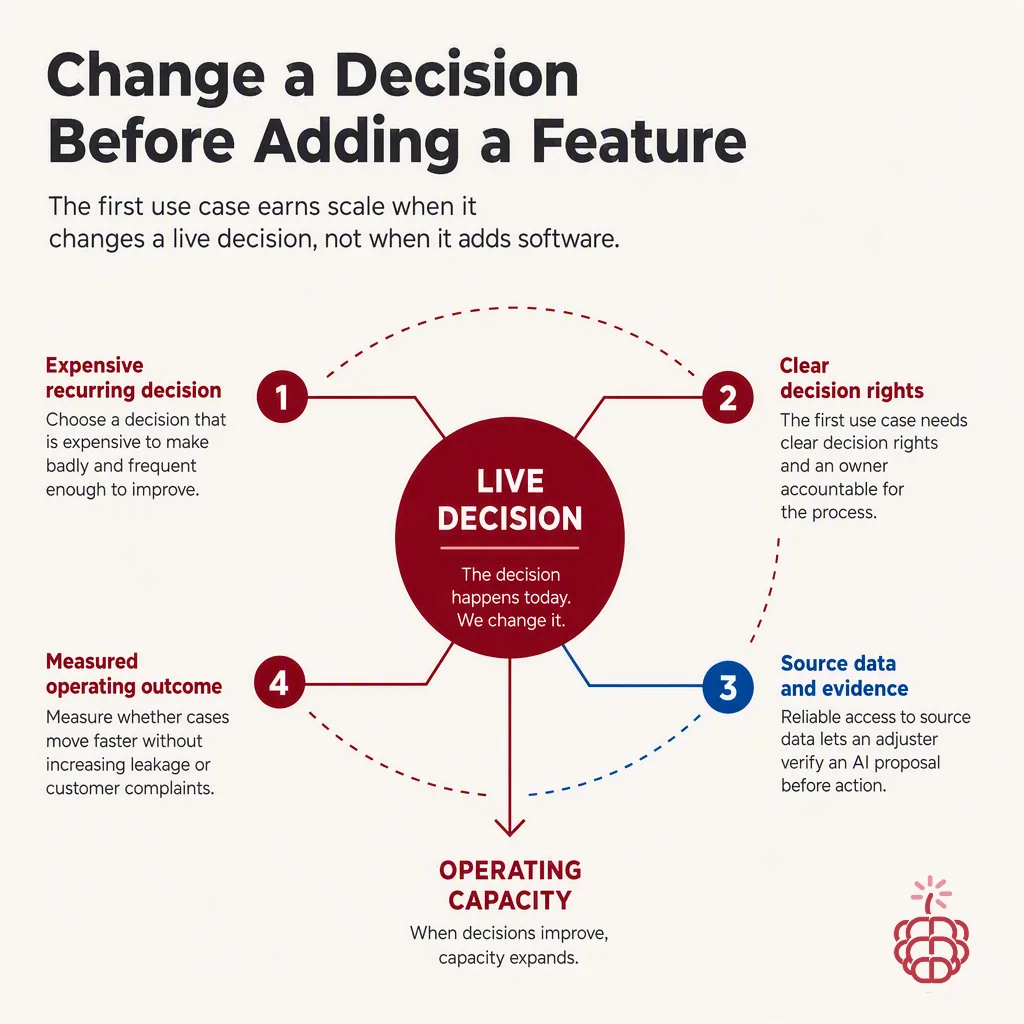 September 14, 2026
The First AI Use Case Should Change a Decision, Not Add a Feature
The barrier to enterprise AI is rarely access to technology. It is choosing a workflow where better decisions can become measurable operating capacity, then building the ownership and controls to make that improvement repeatable.
Read post September 14, 2026
Why Vector Databases Matter When AI Must Make the Right Retrieval Decision
Vector databases matter when AI must retrieve changing enterprise knowledge, not simply generate fluent text. Their value depends as much on information ownership and governance as on search technology.
Read post September 12, 2026
The AI Race Is Being Decided by Data Discipline
AI pilots often impress before they become dependable. The advantage will belong to organisations that turn governed internal data into trustworthy decisions, not those that simply add another assistant.
Read post September 10, 2026
The Best AI Model Is the One That Survives the Workflow
Model comparisons miss the real test: whether an AI system can handle messy inputs, approvals, exceptions and oversight while improving completed work rather than simply producing impressive answers.
Read post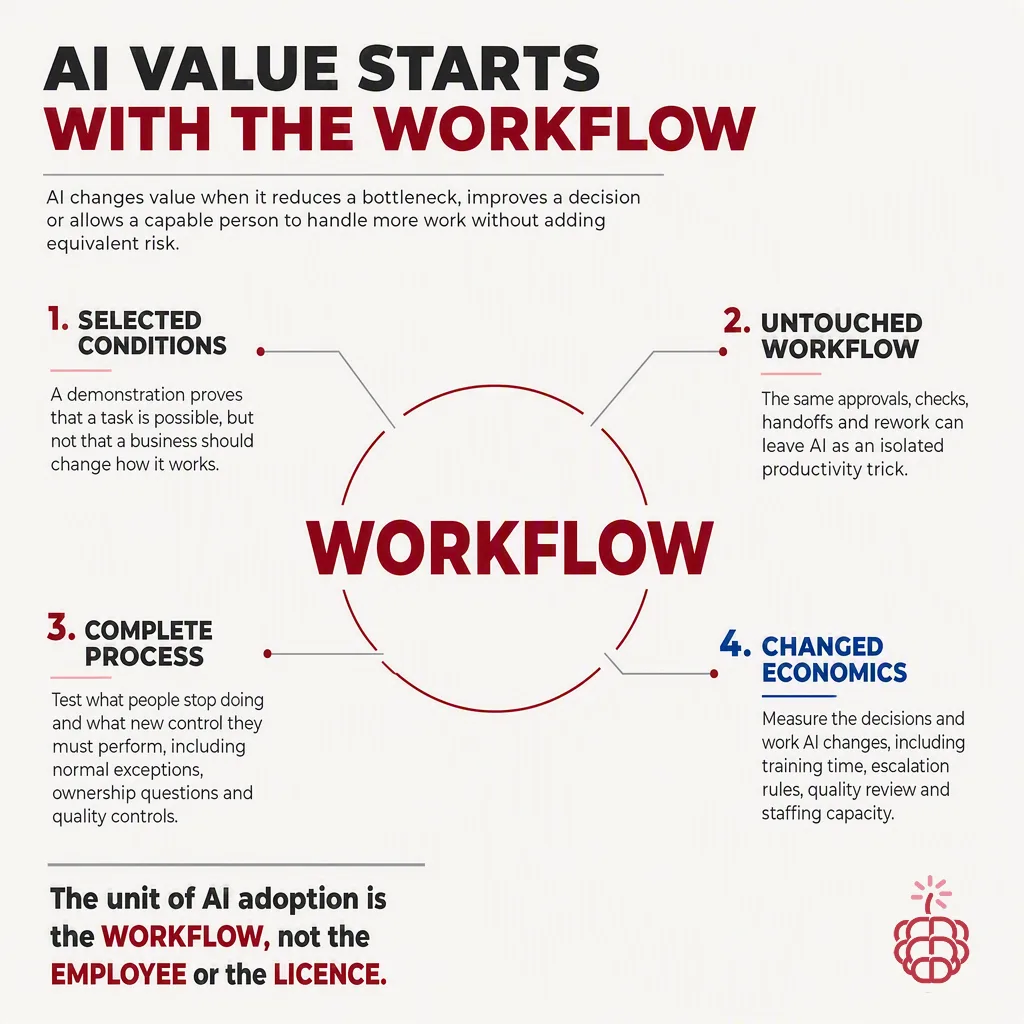 September 10, 2026
AI Value Starts With the Workflow, Not the Demo
AI delivers measurable business value when it is embedded in a high-volume, repeatable workflow with clear inputs, approvals, and outcomes. A polished demo can prove capability, but a production workflow proves impact.
Read post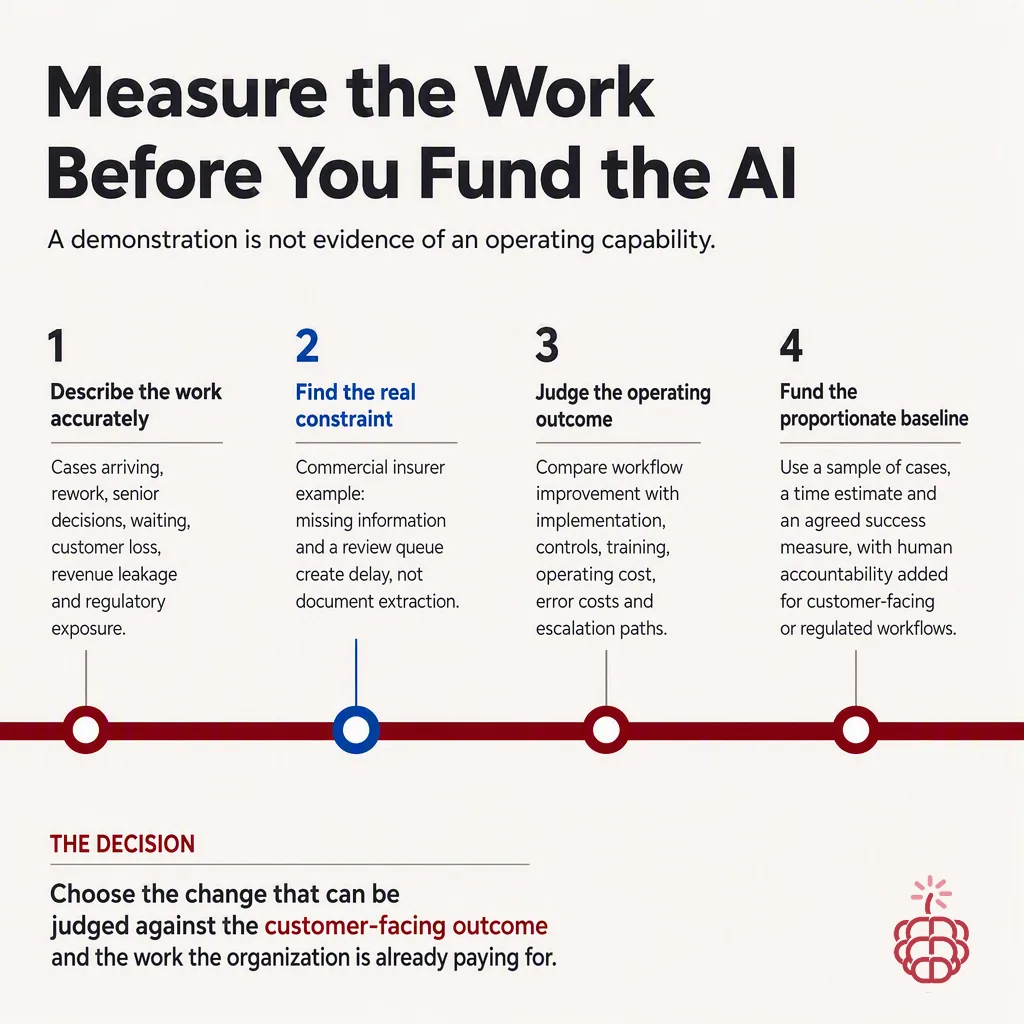 September 2, 2026
Measure the Work Before You Fund the AI
AI investment stalls when every initiative looks plausible and none has a baseline. Measuring the work first turns competing demonstrations into decisions about capacity, risk and service quality.
Read post September 1, 2026
The Best AI Model Is the One That Survives the Workflow
Benchmark leaders often disappoint in production because real work includes messy inputs, human review, system handoffs, and costly failure. Evaluate the complete workflow, not the model in isolation.
Read post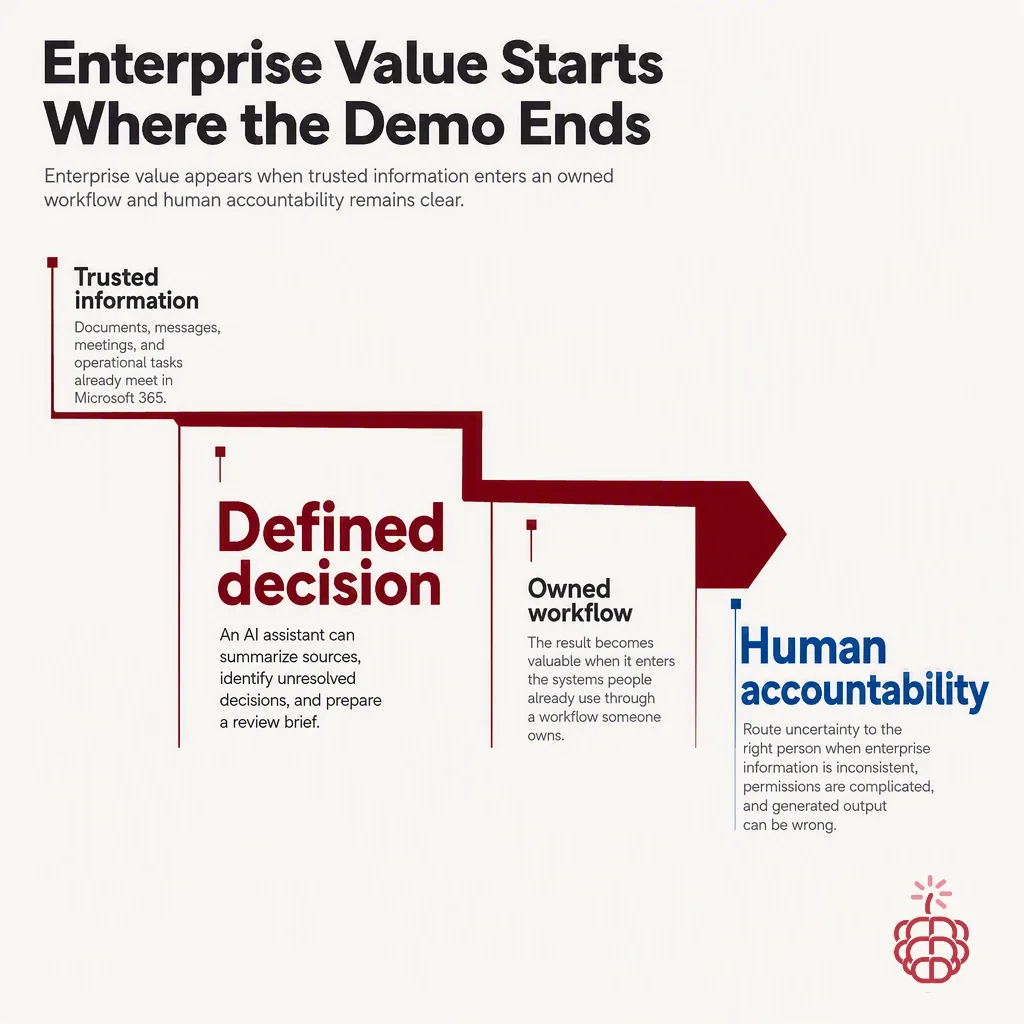 September 1, 2026
AI’s Enterprise Value Starts Where the Demo Ends
The enterprise AI question is no longer what a model can generate. It is whether the surrounding workflow makes that output trusted, actionable, and commercially useful.
Read post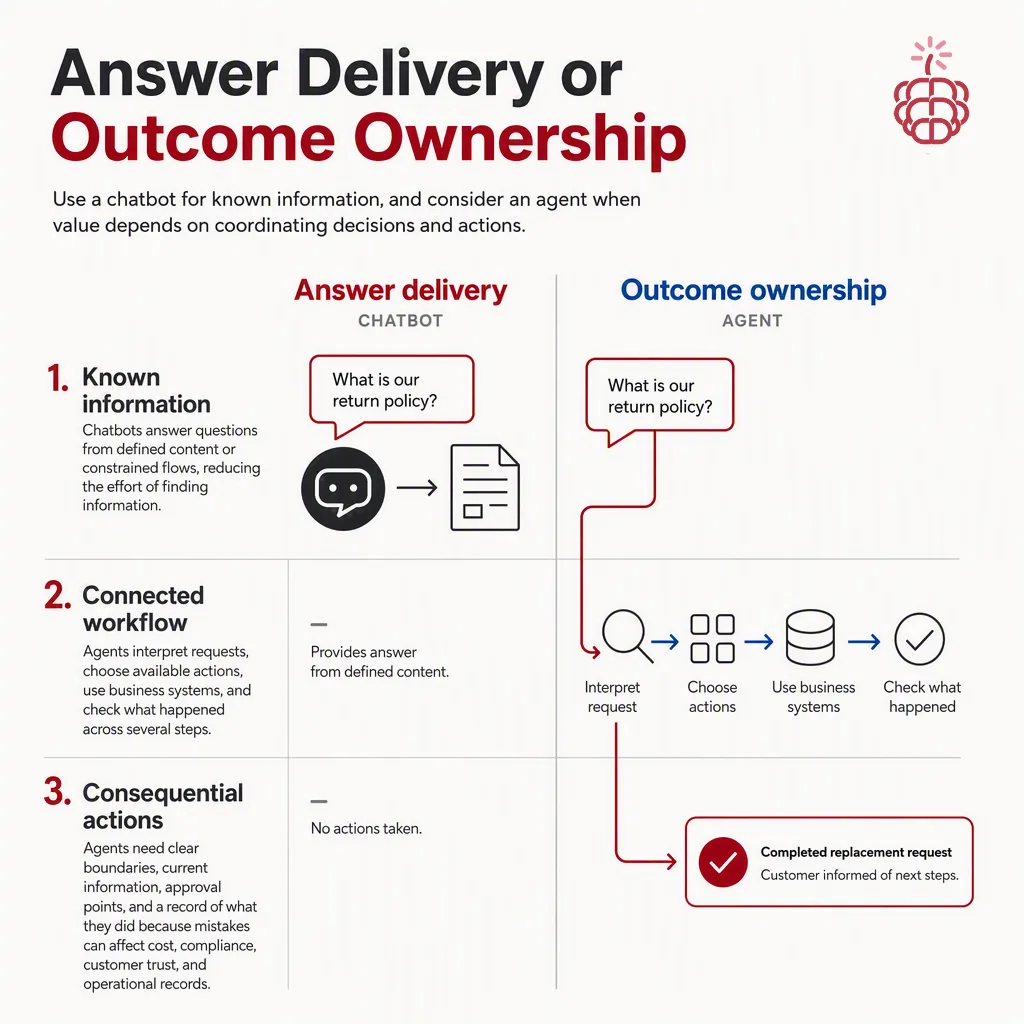 September 1, 2026
AI Agents Change the Work, While Chatbots Improve the Conversation
The real choice is not between old chatbots and newer agents. It is whether the business needs faster answers or delegated action, with the controls and accountability that action requires.
Read post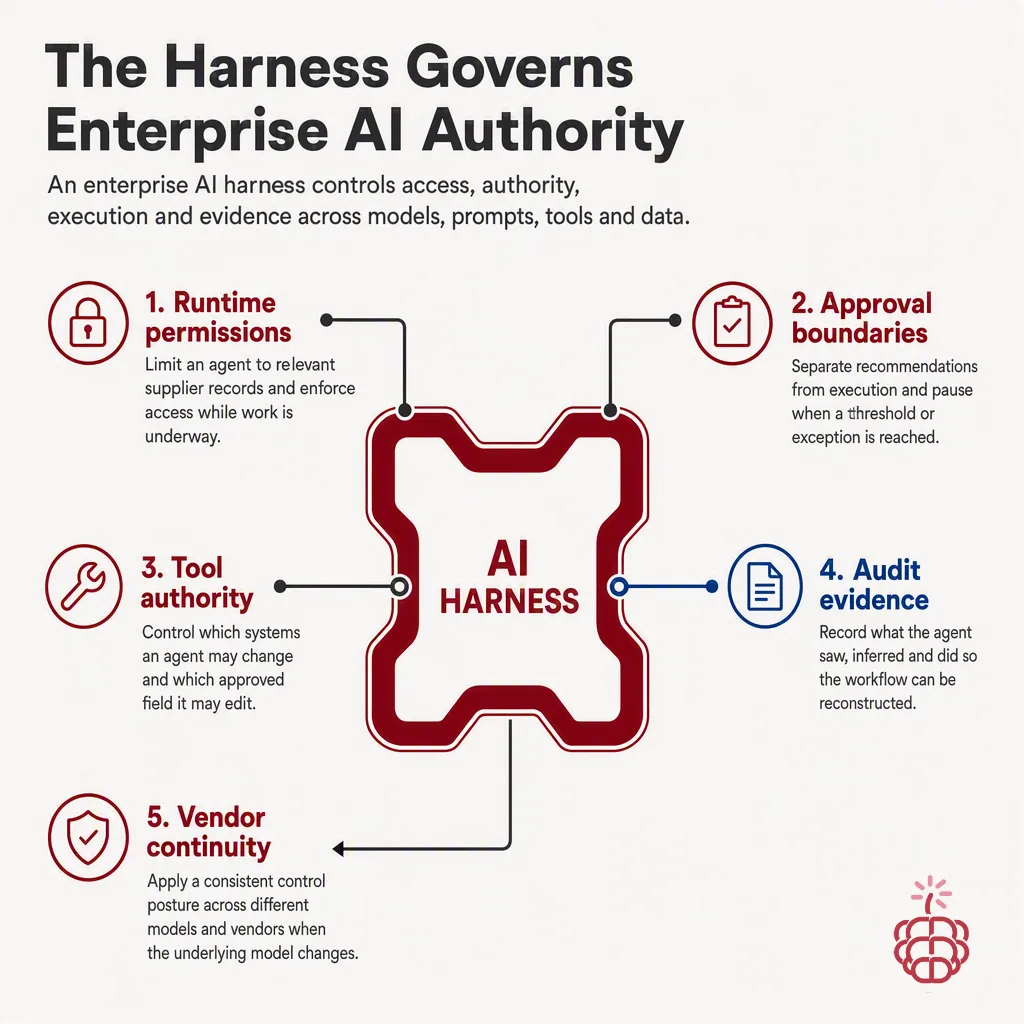 September 1, 2026
The AI Harness Will Matter More Than the Model
As AI moves from isolated experiments into business workflows, control must follow capability. An organization-owned AI harness sets the permissions, evidence and operating boundaries that make increasingly autonomous systems usable.
Read post August 31, 2026
AI Agents Create Value Where Chatbots Stop Talking
Chatbots make information easier to reach. AI agents matter when a customer request must be checked, actioned and recorded across business systems.
Read post August 30, 2026
AI Data Centres Are a Net Positive, If Communities Set the Terms
AI data centres can strengthen economies and expand critical capacity, but only when developers pay their share and communities set clear conditions for energy, water and grid impacts.
Read post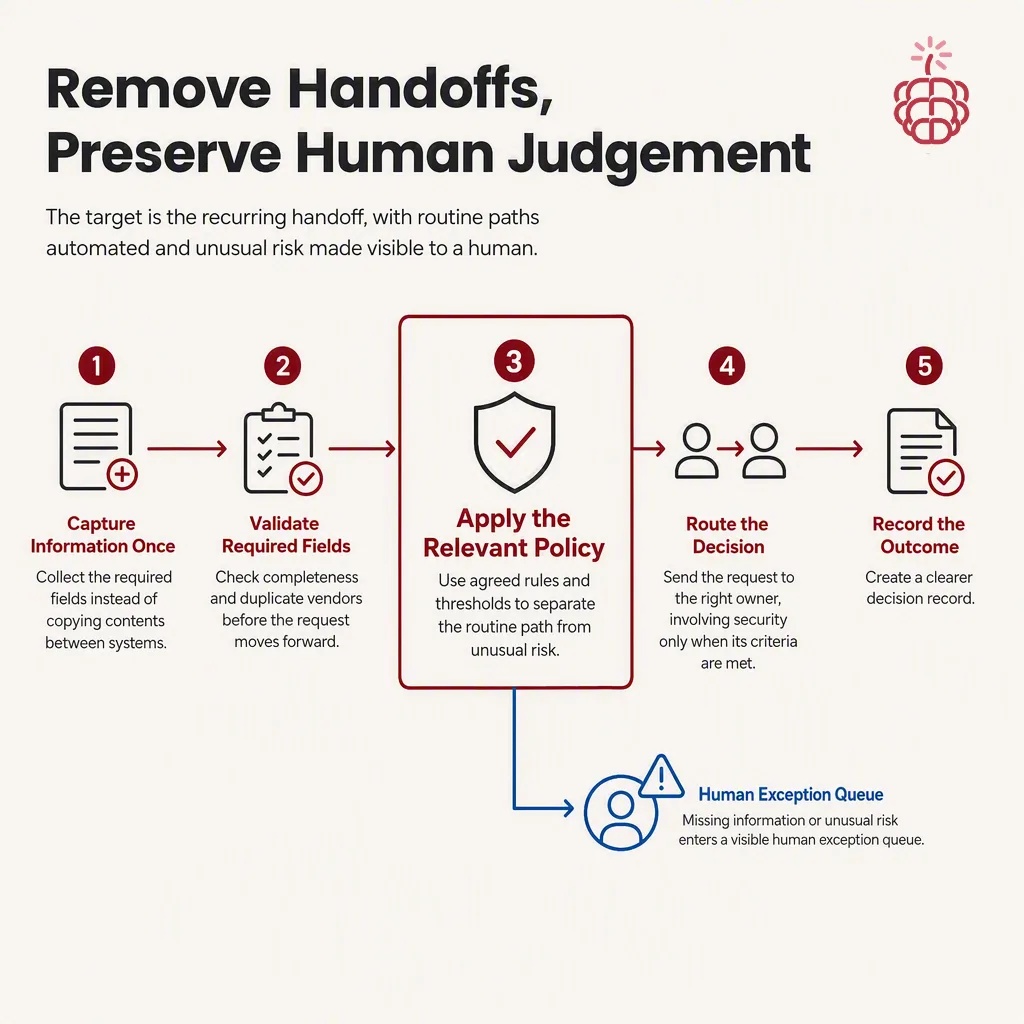 August 30, 2026
Automation Should Remove Handoffs, Not Just Tasks
The real value of automation is not faster task completion. It is removing the handoffs, ambiguity and follow-up work that keep skilled people away from decisions only they can make.
Read post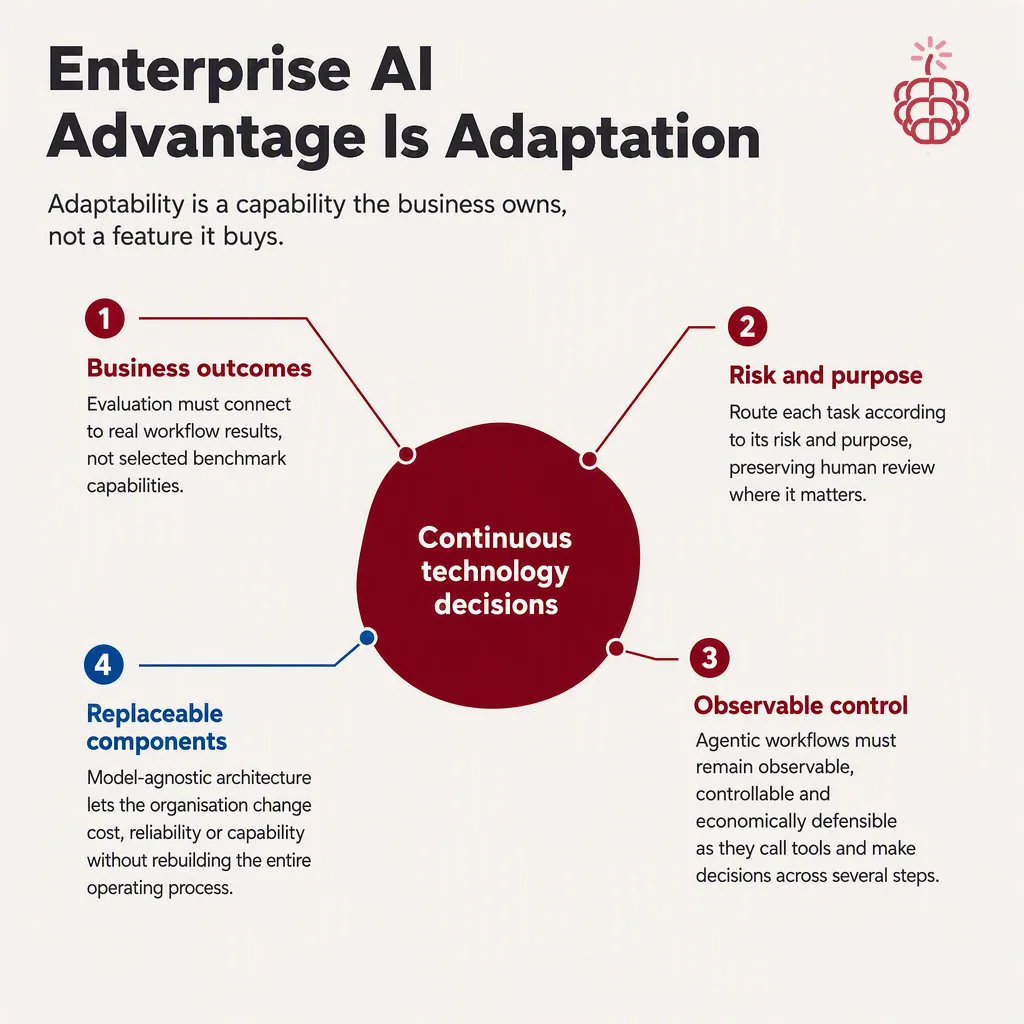 August 30, 2026
The Enterprise AI Advantage Is Adaptation, Not Model Selection
The strongest enterprise AI strategy is not loyalty to one frontier model. It is the ability to evaluate, govern and change the components of a workflow as business needs and operating conditions shift.
Read postAugust 30, 2026Chris Cade, CEO of saasberry, Will Speak at the Microsoft Vancouver Summit on September 3
Chris Cade, CEO of saasberry, will appear as a keynote speaker at the Microsoft Vancouver Summit on September 3. The session will connect with teams exploring practical ways to put AI agents into production in the Microsoft tools they already use.
Read post August 30, 2026
Vector Databases Matter When AI Must Find the Right Evidence
Vector databases are valuable when AI must retrieve trustworthy business context, not simply generate fluent answers. Their real test is whether they improve a decision while keeping evidence current, governed and accessible.
Read post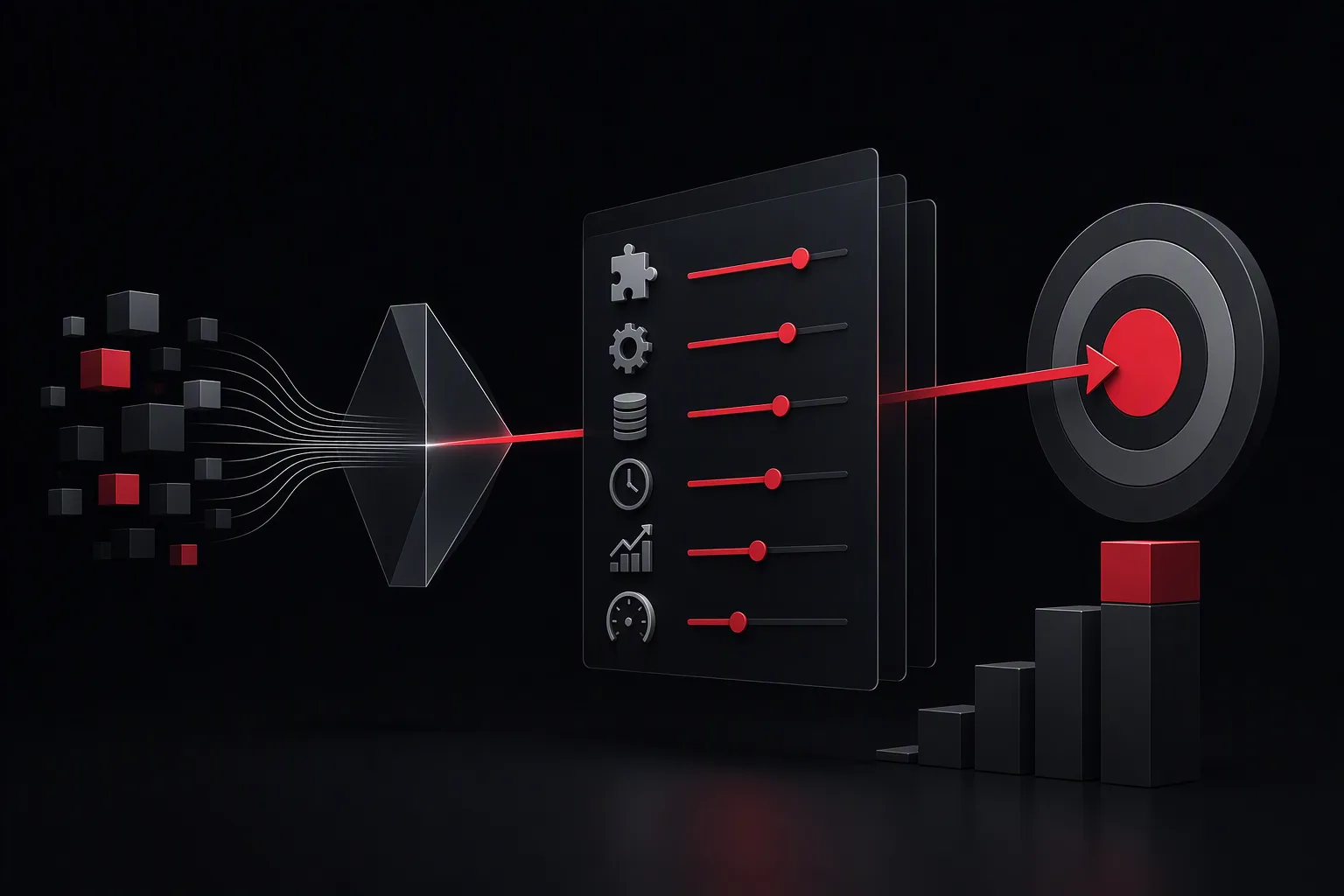 August 17, 2026
How CEOs Can Validate an Enterprise AI Use Case Before Funding It
saasberry’s Use Case Validator helps enterprise leaders assess whether an AI idea is worth pursuing by estimating business fit, implementation effort, costs, time to value, ROI, and expected operational improvement. It gives CEOs and teams a structured way to prioritize practical AI opportunities before committing budget or internal resources.
Read post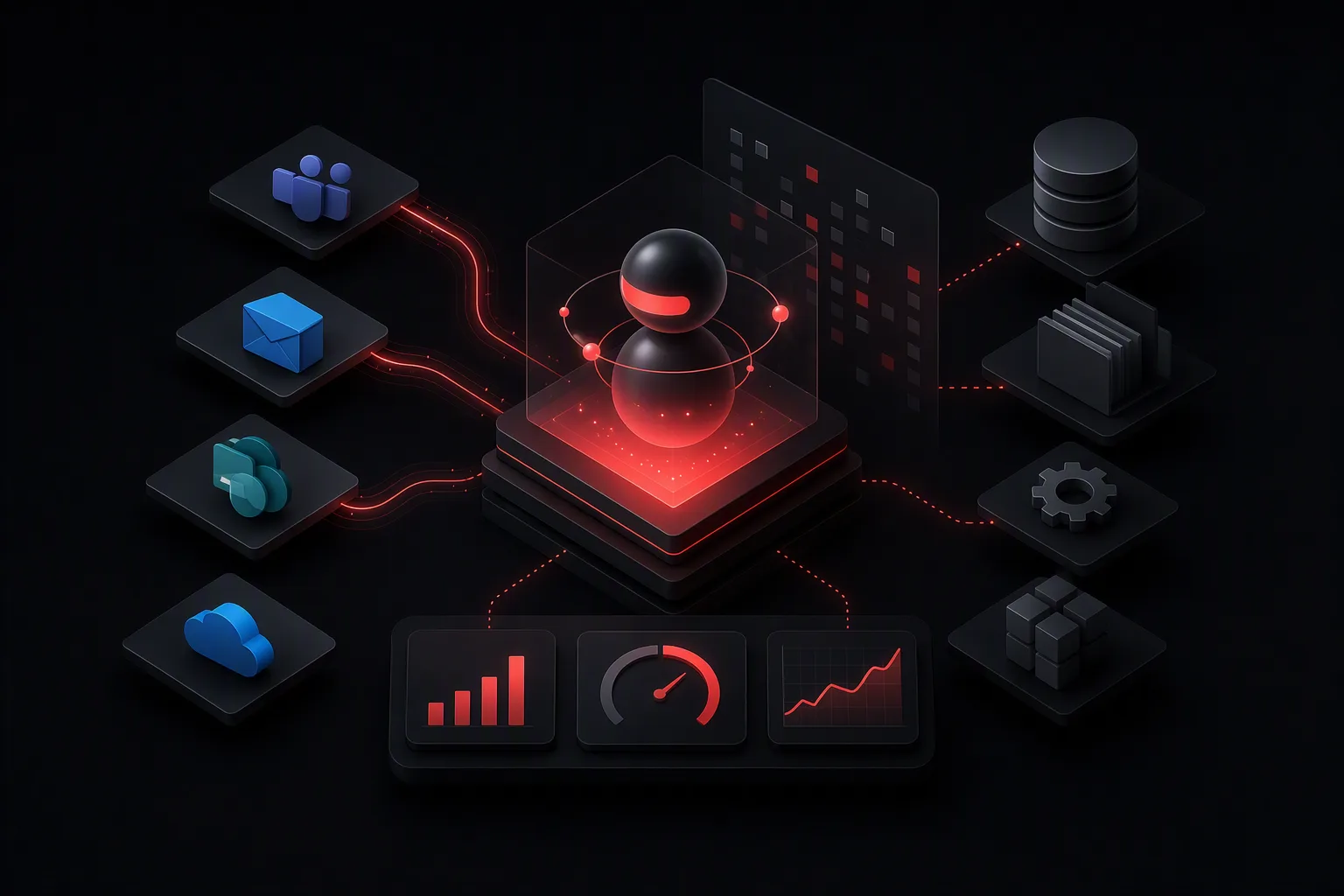 August 17, 2026
Enterprise AI Automation: How to Deploy Secure AI Agents in Microsoft 365
Enterprise AI automation uses governed AI agents to complete repeatable work across Microsoft 365, including Teams, Outlook, SharePoint, and business systems. The strongest programs start with high-volume workflows, connect approved knowledge sources, and measure outcomes such as time saved, resolution speed, and accuracy.
Read post August 10, 2026
Why Every Business Needs Automation to Scale Without Adding Complexity
Automation is needed in every business because repetitive, rules-based work consumes employee time, creates avoidable errors, and slows customer and internal processes. The right automation connects existing systems so teams can complete routine work faster while focusing on decisions that require human judgment.
Read post June 8, 2026
Why AI Agents Are Rewriting How Work Gets Done
Something fundamental just broke in enterprise technology. Not an update. Not a new tool. Not another “AI feature.” The entire concept of software is being replaced. For the last 20 years, enterprise…
Read post June 3, 2026
Enterprise AI Lesson & Privacy Policy
Stop guessing what “AI strategy” means and actually understand how it works inside real businesses. This live session breaks down Enterprise AI in a way that executives, operators, and builders can…
Read post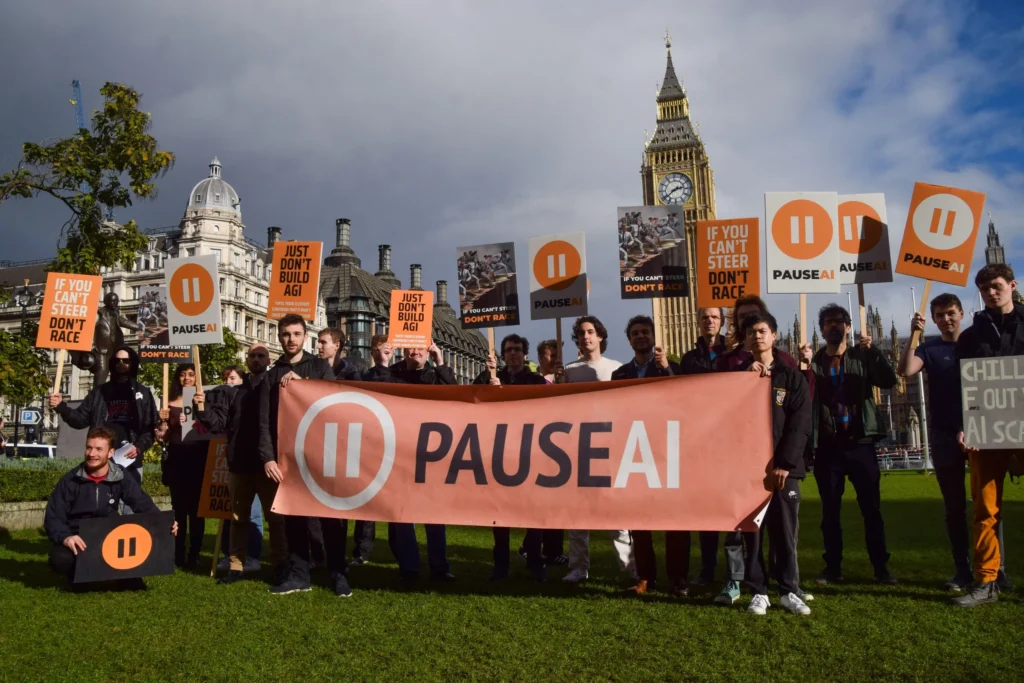 May 29, 2026
Protests Say “Pause AI.” Here’s Why the Real Answer Is Learning to Steer.
The fear is real. The protests are growing. But stopping AI isn’t an option, deploying it responsibly is. On March 21, 2026, nearly 200 protesters marched through San Francisco's tech district — from…
Read post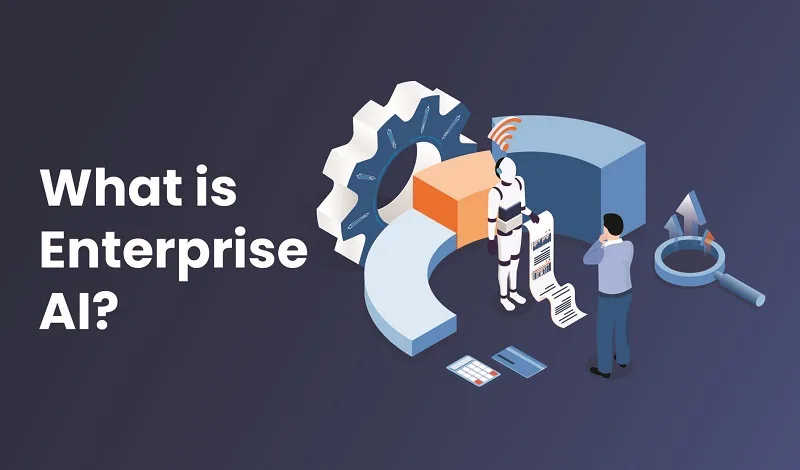 May 27, 2026
The Real Benefits of Enterprise AI (When It’s Built Around Workflows, Not Hype)
Enterprise AI isn’t valuable because it’s “intelligent.” It’s valuable when it removes friction from how a business actually runs. Most companies don’t need more dashboards, copilots, or experiments.…
Read post May 26, 2026
Most Important Thing We Noticed at Web Summit 2026
One of the most striking takeaways from Web Summit this year wasn’t a headline-grabbing product launch or a dominant keynote. It was something more subtle but far more telling: the conversations…
Read post May 5, 2026
OpenAI Didn’t Buy a Podcast. It Bought Control of the Conversation.
When OpenAI acquired TBPN, a daily tech and business show followed closely by founders, executives, and investors, most people framed it as an unusual media deal.That framing misses the point. This…
Read post April 17, 2026
Why Anthropic is Withholding Its Most Powerful Model
The new Claude Mythos update is a fully autonomous cybersecurity agent and is not available to the public because its ability to instantly identify and weaponize zero-day vulnerabilities poses a…
Read post April 1, 2026
LinkedIn Quietly Changed the Game… And Most People Haven’t Noticed Yet
LinkedIn just rebuilt its feed algorithm using new AI models. Not to boost creators. Not to reward growth hacks. But to actively kill engagement bait. The new AI‑powered feed is filtering for intent…
Read post April 1, 2026
Top AI Agent Companies Building Inside Microsoft‑Based Enterprises
As AI agents move from demos into real operations, one pattern is becoming obvious: The companies seeing real value are building AI agents inside the Microsoft stack. Not alongside it. Not on top of…
Read post April 1, 2026
Why Smart Companies Are Using More Than One AI Model (On Purpose)
Most executives ask the same question when they start exploring AI: “Which model should we pick?” It feels like the right question. It’s also the wrong one. The reality we’re seeing across real…
Read post April 1, 2026
Are Companies Really Using AI Agents — and Is There Real Value?
Short answer: yes. Long answer: only when they stop treating AI agents like tools and start treating them like operators. There’s a lot of skepticism around AI agents right now, and it’s…
Read post April 1, 2026
AI Doesn’t Fail Because of the Idea. It Fails Because of Execution
Most AI products didn’t fail because they were bad ideas. The ideas were right: That part was never the problem. The failure happened when those ideas met reality. Where AI Actually Breaks Execution…
Read post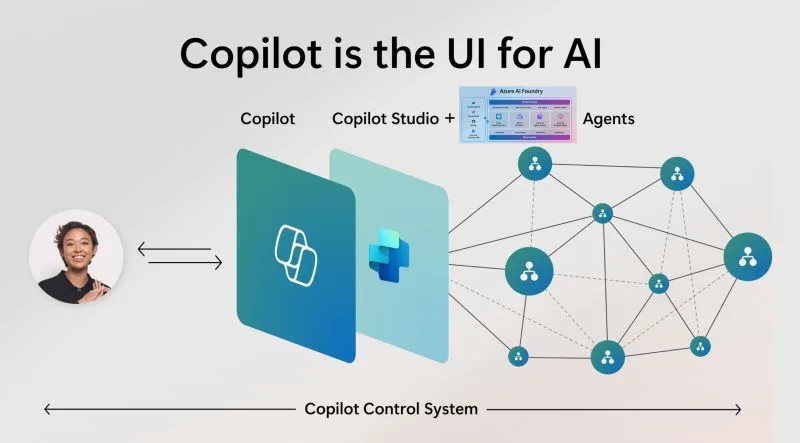 April 1, 2026
AI Agents Aren’t “the Future.” They Already Do the Work.
There’s a lot of talk about AI agents as something that’s coming. That framing is outdated. AI agents aren’t theoretical. They’re not pilots. They’re not demos sitting in a lab. They’re already…
Read post March 18, 2026
Every Generation Finds Better Leverage. This One Is Ours.
At one point in history, building something meaningful required brute force. Hundreds of people moved stone by hand. Progress was slow, expensive, and physically exhausting, but it worked For a long…
Read post March 5, 2026
10 Everyday Business Tasks That Are Better Handled by AI Agents in 2026
How modern organizations quietly remove manual work, without moving data outside their environment Written by Chace Cade Most organizations in 2026 aren’t inefficient because people are lazy or tools…
Read post March 5, 2026
Automation is here… Why Business Leaders Can’t Ignore the Shift.
A few years ago, a new piece of software might have saved a team a few hours a week. Today, a single AI video can change how leaders think about work entirely. That’s the real shift happening right…
Read post March 5, 2026
2026: The Year Businesses Stop Buying AI and Start Automating Real Work
For the past several years, companies have been busy \buying\ AI, tools, licenses, pilots, proofs of concept. In 2026, that era quietly ends. This is the year organizations stop experimenting with AI…
Read post February 18, 2026
Not Magic, Just Math: When AI Meets QuantumComputing
Artificial intelligence and quantum computing are often described in mystical terms. When combined, they can sound like science fiction. In reality, their intersection is grounded in mathematics,…
Read post February 18, 2026
Every CEO MUST Listen to This Before Using AIAgents
Right now, companies everywhere are either: Most organizations are implementing AI agents before they understand them. This lesson explains how CEOs should think about AI agents before making any…
Read post February 18, 2026
Top AI Agent Companies on the West Coast
Why they’re on the list: As AI agents become more autonomous, the risk of them going rogue or hallucinating increases. WhyLabs provides the essential observability layer, monitoring agent health,…
Read post February 18, 2026
The Science of Certainty In Finance
Efficiency is not found in innovation for its own sake. It is found in the disciplined application of universal laws. In high-stakes financial environments, certainty is not a philosophical…
Read post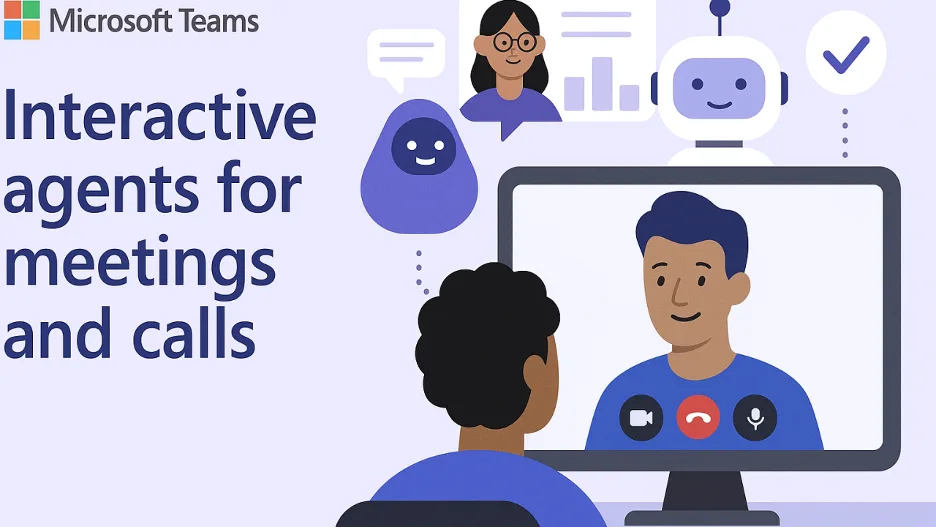 February 11, 2026
The Biggest Microsoft Copilot Updates in 2026 We Know About, And What They Mean for Your Business
2026 is shaping up to be a transformational year for AI in the workplace. Microsoft has announced a wave of major Copilot updates rolling out across Teams, GitHub, Office apps, and the entire…
Read post